Covering a Dog's Crate With a Blanket to Create a Calming Den
A veterinary guide to covering a dog's crate safely — when a blanket den helps calm, how to keep airflow, and when to leave it open.
Covering the crate with a breathable blanket can create a darker, calmer den when airflow stays fully open.

Decide in 30 seconds: cover the crate only when your dog already settles inside with the door open, breathes easily, and does not chew fabric or overheat. Leave it uncovered when panting, pawing, or stiffness drives the restlessness.
I evaluated a 3-year-old, 42-pound Border Collie mix who paced the living room every evening and never chose her wire crate. Her owner wanted a calmer bedtime routine without medication. We started from the musculoskeletal exam first, watching how she lowered into a down, how her elbows tracked, and how long she held a tuck before shifting. Soreness was not driving it; vigilance was. By day 10 on a covered-crate plan with the front left open, she walked in on cue and sighed into a chin-down rest within four minutes, and the owner finally had a concrete yes-or-no test for covering.
Set the fork: den-seeker or trap-feeler
Some dogs exhale when visual input drops. Others panic when they cannot see the exit. Test before you commit.
Place the crate in a quiet corner. Leave the door open. Feed two meals inside uncovered. Then drape one thin side for two nights and score sleep latency, position changes, panting, and willingness to enter. Keep covering only when entries stay voluntary and settling time shortens. Pull the blanket when entries slow, vocalizing rises, or the dog noses constantly at the covered wall.
Short verdict: the blanket does not calm the dog. Predictability plus reduced glare may help support settled posture in a dog that already likes the crate.
Drape it so the den breathes
Use a light cotton sheet or thin fleece, never a heavy comforter. Cover the top and two sides only at first. Leave the entire front and the lower 4–6 inches on the sides open for cross-ventilation. Secure loose edges with clips outside the bars so fabric cannot sag inward. Keep the crate away from heat vents and direct sun. Check the dog every 15 minutes during the first sessions.
Keep bedding flat and supportive. A dog that struggles to rise will avoid a thick, shifting pile. I frame a supplement or a blanket as one part of a structure-and-function plan, not a fix for pain-driven restlessness. Maintain a daily walk, joint-friendly weight, and a consistent lights-out cue so the den predicts sleep.
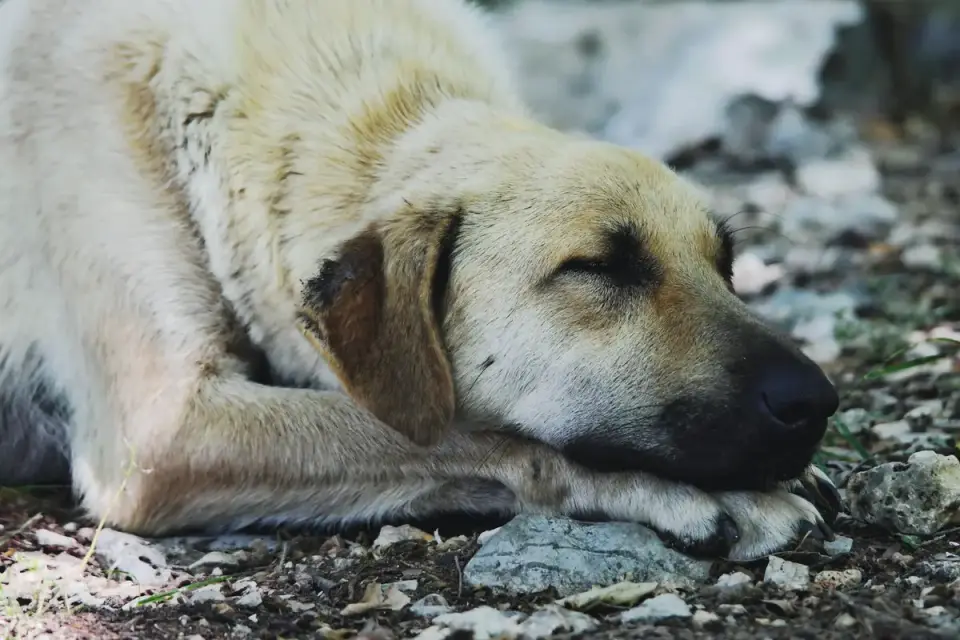
A 6-year-old, 68-pound Labrador Retriever taught me the tradeoff. His owner covered all four sides with a quilt to block fireworks flashes, leaving only a small vent. The first night looked quieter. By night three he panted, drank heavily, then chewed the corner seam and refused the crate for a week. Heat plus blocked exit had replaced one trigger with another. We stripped it back to top-only coverage, moved the crate to an interior hallway, added white noise, and rebuilt entries with short daytime naps. He returned, but the lesson held: full blackout often wins on darkness and loses on airflow, chewing risk, and control.
Plant the cover for function, not looks. Wash weekly. Replace any blanket with loops, fraying, or chew holes. Dogs that pull fabric through bars need an uncovered crate and a different calming plan.
When covering backfires, read the body first
Stop covering and reassess when you see heavy panting without heat, drooling, bent-wire biting, bent-door pawing, howling past 10 minutes, or morning stiffness after cramped sleep. Build the whole-body picture from the musculoskeletal exam: does the dog circle stiffly, hesitate to turn around inside, avoid lying on one hip, or pop up frequently to reposition? Those patterns point toward discomfort more than anxiety.
For thunderstorm-phobic dogs, pair the den with sound masking and early settling rather than relying on darkness alone. Related reading on layering strategies includes Calming Supplements for Thunderstorm-Anxious Dogs: What the Evidence Actually Shows and Thundershirt or Calming Chew: Which Actually Works for a Storm-Phobic Dog. For ingredient context, see Dog Calming Chews: What the Evidence Actually Supports.
Evidence for calming herbs stays modest and largely non-canine. MDPI notes in a chamomile review, “For the remaining species, evidence is derived mainly from preclinical studies or traditional use.” Cureus reports in an ashwagandha systematic review, “A systematic review analyzed multiple RCTs and concluded that ashwagandha has a moderate positive impact on stress reduction and cognitive performance.” Nature Molecular Psychiatry describes L-theanine data narrowly as “except for one study on psychotic anxiety (SMD = 0.54; 400 mg/day for 8 weeks)”. Traditional use language is cautious: chamomile and valerian have supportive history but not crate-specific proof.
Three weeks in, a 9-year-old, 51-pound Australian Shepherd changed my standard advice. She loved her covered crate at night yet stood and stared at midday when covered, then limped two steps after rising. The owner assumed anxiety. Hip extension was short on the right and rising took two attempts. A larger crate, uncovered top for daytime light, orthopedic mat, and shorter evening walk helped maintain comfortable rest, with covering reserved for nighttime only. Edge case matters: senior dogs may want a den at night and visibility plus easy turning radius by day.
Final rule: cover less than you think. Top plus one side, front open, air moving, entries voluntary. When sleep deepens without new panting or avoidance across seven nights, keep it. When it does not, uncover and address movement, noise, and routine first.
Frequently asked questions
Should I cover all four sides of the crate?
No. Start with top and two sides, leave the front fully open for airflow and exit visibility, then keep or remove based on voluntary entries and panting.
How long should I trial a crate cover?
Run a seven-night trial. Track time to settle, night wakings, panting, and willingness to enter. Keep it only when all four improve or hold steady.
Sources
- Biomedicines Chamomile Review — MDPI
- Ashwagandha Stress Systematic Review — Cureus
- L-Theanine Anxiety Meta-Analysis — Nature Molecular Psychiatry