Do Small and Large Dogs Get Anxious About Different Triggers?
Size changes what spooks a dog — and what hurts. A vet explains small- vs large-dog anxiety patterns and how to respond.
Small dogs and large dogs often look anxious for different triggers, so match the plan to the pattern.
On this page
Small dogs and large dogs often look anxious for different triggers, so match the plan to the pattern.
You’ve got to sort the trigger before you buy anything. Is your dog bracing at sounds and strangers, shutting down when left alone, or snapping when lifted, hugged, or bumped on stairs? A common question is whether size alone explains that split, and my answer starts at the exam table, not the supplement aisle.
I watch how the dog stands, sits, turns its neck, and rises from a down. Tight hamstrings, a roached back, sore hips, or a guarded neck can make ordinary handling feel threatening. That may help support a calmer plan because you stop labeling pain as disobedience.
The size fork I use first
If handling sets them off, examine movement first
Small dogs live in arms. They get lifted, carried, passed to visitors, and leaned over constantly. Large dogs live at hip height. They get collided with, hugged around the neck, and asked for long walks on sore joints. Both can look anxious, yet the trigger is often contact plus discomfort.
A 4-year-old, 14-pound Dachshund mix came in for “stranger danger” at the front door. Barking, shaking, then hiding under a chair. At home the owner lifted him under the chest to move him away from guests. On exam his thoracolumbar spine was stiff and his hind legs scuffed on turns. By day 10 after we changed the handling — chest-plus-rear support, ramp to the couch, no overhead grabs — the door barking shortened from minutes to seconds. The anxiety label stayed, but the trigger list got smaller once movement hurt less.
That is why I stay skeptical of one-size calming advice. Score the trigger, not the size stereotype.
What tends to differ by size
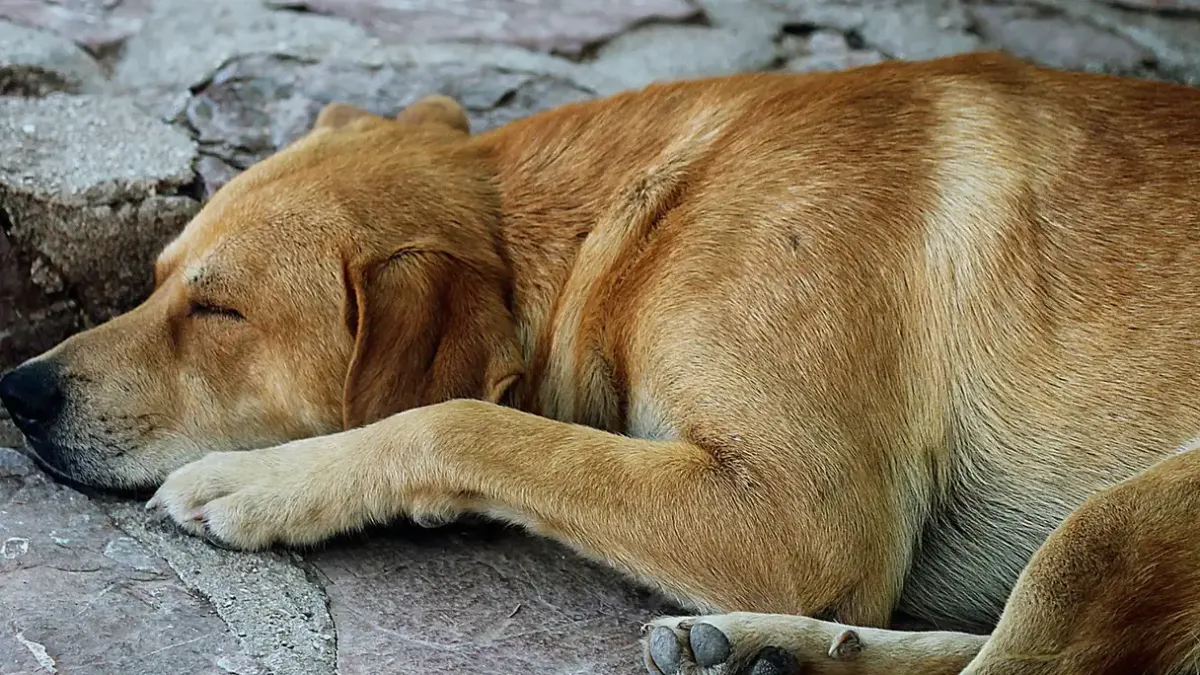
Small dogs are over-handled and under-exercised. Common triggers I see: being picked up, unfamiliar hands reaching overhead, close-quarters barking at windows, and separation distress in apartments where every departure cue is loud.
Large dogs are under-rested and over-exercised through soreness. Common triggers: thunderstorms paired with pacing that jars stiff joints, vet restraint, car loading, crowded sidewalks where they cannot turn away, and nighttime restlessness when hips ache.
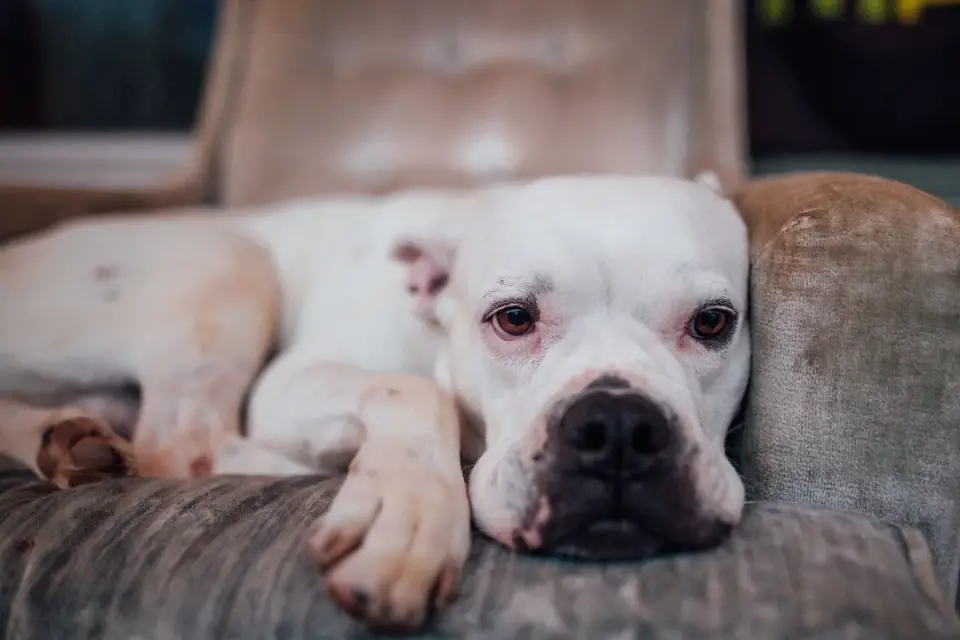
Size does not create a different emotion. It creates different exposure. Tiny joints meet frequent lifting. Big joints meet torque, slipping, and long impact. Fear learning then sticks to whatever context repeats.
Where supplements fit — and where they do not
A calm routine may help support relaxation, but no chew fixes a scary pattern plus sore movement. Chamomile and valerian are familiar here, yet honesty matters: “Chamomile and Valerian Root have been used in traditional herbal care to support relaxation.” The broader Biomedicines Review cautions that “For the remaining species, evidence is derived mainly from preclinical studies or traditional use.” That keeps expectations realistic.
A similar caution applies to better-studied options. A Cureus Review found that “A systematic review analyzed multiple RCTs and concluded that ashwagandha has a moderate positive impact on stress reduction and cognitive performance.” That is general evidence, not proof your dog will stop panicking at thunder. For L-theanine, often framed as calming, a Molecular Psychiatry Review noted effects were limited “except for one study on psychotic anxiety (SMD = 0.54; 400 mg/day for 8 weeks),” which is a human dose you should never copy for a dog.
If you want background on noise cases, read Calming Supplements for Thunderstorm-Anxious Dogs: What the Evidence Actually Shows and Storm Anxiety or Separation Anxiety? How to Tell Which One Your Dog Actually Has.
When the “calm” plan backfires
I tried a textbook desensitization setup with a 3-year-old, 68-pound Lab mix who paced and panted through storms. We had white noise, a frozen Kong, and a short-acting calming chew timed an hour ahead. Three weeks in, nights were worse, not better. He would startle at the back door, then refuse stairs. The tradeoff was clear: the sound protocol demanded repeated trips up and down slick steps, and his hips were losing strength. We’d built reps on top of soreness.
We paused the stairs, moved potty breaks to a ramped side door, added rugs on the landing, and kept storm sessions on one level. His pacing did not vanish, but lying down came faster and he stopped bolting from touch. The lesson I keep: you cannot counter-condition a dog that is bracing to move.
For storm-prone dogs that also hate departures, compare notes in The Best Calming Supplements for Dogs, Scored on Doses and Testing.
The edge case owners miss
Old, big, and suddenly “clingy”
An 11-year-old, 82-pound Shepherd mix started following his owner room to room and whining at night. The family assumed separation anxiety. On exam he rose slowly, knuckled slightly on one hind foot, and leaned away from hip extension. At home the trigger was not loneliness — it was the dark hallway with hardwood floors. By week two on a new setup with nightlights, a runner rug, and a low orthopedic bed near the bedroom, the night whining dropped from hourly to once. Same dog, same house, different trigger once you watched him walk.
Small seniors flip the other way. A 13-year-old, 9-pound terrier who snaps at grooming may not hate the groomer. Neck arthritis can make chin holds and dryer handling miserable. Shorter sessions, a chin rest instead of a neck loop, and a vet check for neck pain change more than a new chew.
You will use all of this differently by size. For little dogs, reduce lifts, teach a consent-based pick-up, and give them an exit route from visitors. For big dogs, reduce slips, stairs, and long forced marches, and give them a single-level safe spot during storms. Track one marker — seconds to settle, distance tolerated, nights woken — and keep what moves it.
Your practical next step is a two-week test: film one trigger, note posture and surface, adjust handling and footing first, then judge whether a supplement routine is still needed with your vet.
Sources
- Chamomile and preclinical evidence in remaining species — Biomedicines Review
- Ashwagandha stress and cognition systematic review — Cureus Review
- L-theanine and anxiety evidence synthesis — Molecular Psychiatry Review