Does a Thundershirt Actually Reduce a Dog's Anxiety?
A GP vet explains what pressure wraps do for noise and separation anxiety, how to fit and test one, and when to add other support.
Does a Thundershirt actually reduce anxiety? For some dogs, modestly — here is how to test it fairly.
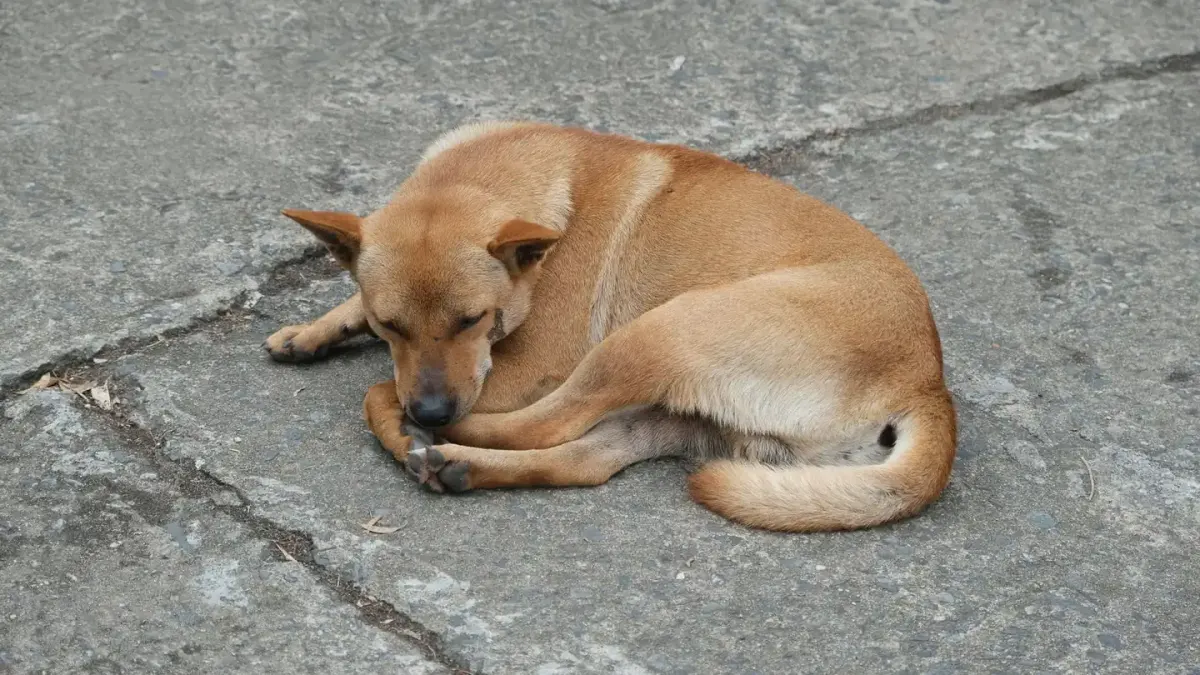
A Thundershirt may help some dogs settle during storms or fireworks, but treat it as a trial, not a guarantee. If your dog paces, pants, whines, or hides at the first rumble, start here: fit a snug pressure wrap, pair it with a quiet safe spot, and score what changes.
I saw this decision play out with a 4-year-old, 48-pound mixed-breed dog who shook and drooled every thunderstorm season. Her owner had tried reassuring talk, a basement hideout, and background music with mixed results. We set a simple plan for the next storm week: introduce the wrap during calm evenings with treats, then use it for the full storm event and log panting time, pacing laps, and time to lie down. By day 10 the log showed settling in 25 minutes instead of 90, though panting still started at the first thunderclap. That partial win shaped everything we did next.
Try pressure first, then judge it on your dog’s scorecard
Buy or borrow the right size, then condition it outside of scary events. Slip it on, treat, walk around the house, remove. Repeat for three to five calm sessions. When a trigger comes, wrap snugly — you should slide two fingers underneath — before the anxiety peaks.
Track three observable signs for two to three events with and without the wrap: time to lie down, vocalizing, and destructive behavior. Keep everything else steady. If you see no shift across three weeks in, call that an honest no. For context on what else supports calm, see Dog Anxiety Supplements: What Actually Calms a Nervous Dog, and What’s Just Marketing.
The science here is unsettled. Small studies and owner reports suggest modest calming for some dogs, especially with noise aversion, but responses vary and placebo-by-owner is real. I tell families I support trying pressure because risk is low, and it may help take the edge off while you build a fuller plan.
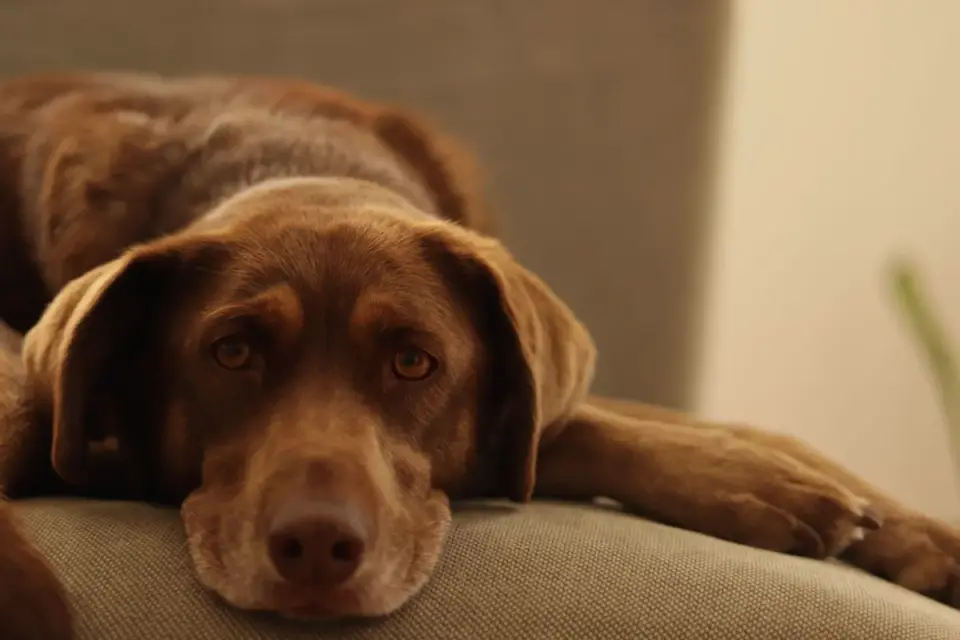
Why a wrap alone often falls short
A second scenario stays with me because it did not go smoothly. A 7-year-old, 22-pound terrier type with separation distress did well with a wrap for fireworks, so the owner left it on for an eight-hour workday hoping for the same effect. By week two the dog was still scratching the door, had chewed a window frame, and seemed hotter and more restless in the wrap. We stopped daytime wrapping, shifted to departures under five minutes with food puzzles, and worked on telling triggers apart using Storm Anxiety or Separation Anxiety? How to Tell Which One Your Dog Actually Has.
That tradeoff matters. Pressure will not teach a dog to feel safe alone, and long wear can irritate skin or overheat. Use it for defined events under supervision. Remove it when calm returns. Wash regularly and check armpits and chest for rubs.
For dogs who need daily support, ingredients are sometimes discussed alongside behavior work. The evidence base looks different by ingredient. A systematic review analyzed multiple RCTs and concluded that ashwagandha has a moderate positive impact on stress reduction and cognitive performance, as summarized in Cureus. For other botanicals the picture is thinner. For the remaining species, evidence is derived mainly from preclinical studies or traditional use, as noted in Biomedicines. That gap is why I favor supports and may help language, and honest rechecks.
Who keeps the wrap, who moves on
Consider the edge case owners miss: the dog who looks calmer but is simply freezing. A 9-year-old, 65-pound senior dog in our composite cases would lie still in the wrap during storms, which first looked like success. On video, though, lip licking and whale eye continued for 40 minutes, and she refused chicken by minute 15. Stillness was not relaxation.
Learn to read the softer signs. Relaxed dogs sigh, stretch out, take treats, and respond to their name. Worried dogs yawn repeatedly, pant when it is not hot, tuck the tail, or shadow you room to room. Film one event with and one without the wrap. Watch with sound off. You will see more.
My evidence-bounded recommendation: keep the Thundershirt if your two-to-three trial log shows faster settling or less intense pacing, and the dog willingly accepts it. Keep using it as part of a plan — safe den, white noise, predictable routine, desensitization recordings at low volume. If panic, escape attempts, panting that will not break, or loss of bladder control persist, talk with your veterinarian about behavior referral or short-term medication for storm season. Pressure supports comfort; it does not replace treatment for true phobia.
If you are weighing a wrap against a chew for storm nights, this head-to-head may help: Thundershirt or Calming Chew: Which Actually Works for a Storm-Phobic Dog.
Frequently asked questions
How snug should a Thundershirt be?
Snug and even around the chest, with room to slide two fingers underneath. If your dog freezes, tries to bite it off, or pants more, remove it and retry conditioning in calm moments.
How long can my dog wear it?
Use it for the event plus 20 to 30 minutes to settle, supervised. Do not leave it on all day and check for rubbing or heat.
What if it does nothing after three storms?
Call that a fair trial and move on. Keep the safe spot and routine, and ask your veterinarian about behavior therapy or situational medication.