What food helps a sick dog settle and eat?
A calm, vet-written plan for feeding a sick dog bland, small meals, watching hydration, and knowing when to call the vet.
A sick dog does best on small, bland, low-fat meals while you watch water intake and call your vet early.
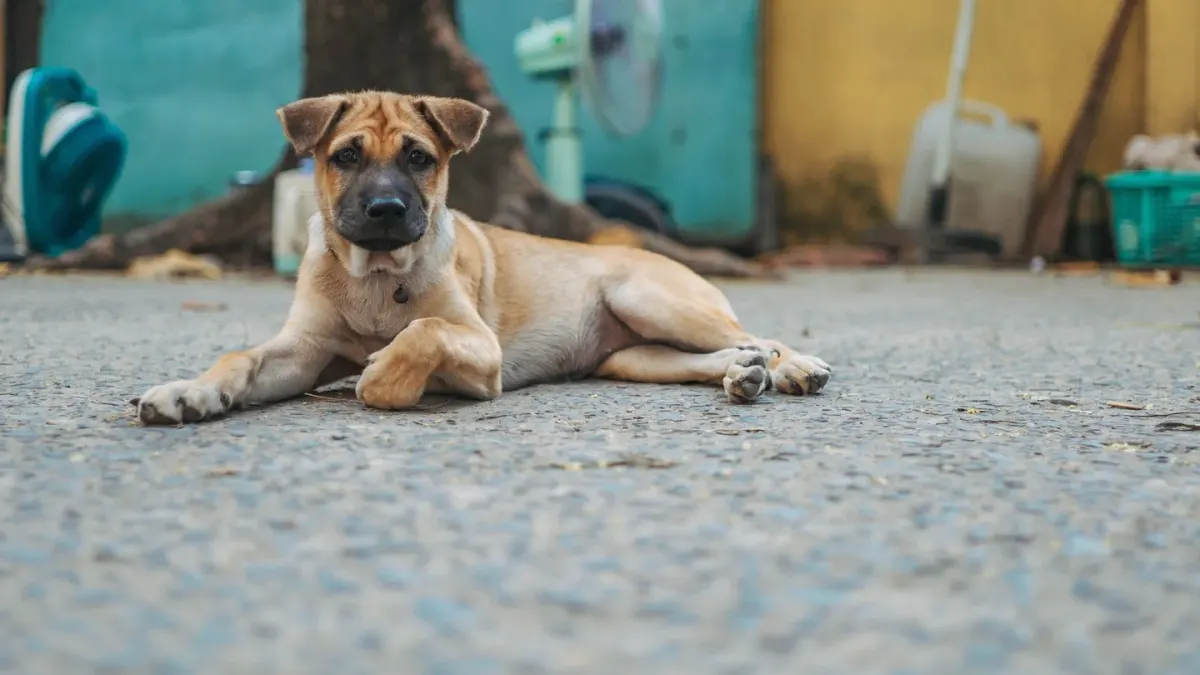
A sick dog does best on small, bland, low-fat meals while you watch water intake and call your vet early.
The fork: settle first, or shop for a new food?
When appetite drops, owners face a clear choice. Keep feeding simple for a day or two and monitor, or overhaul the diet in the middle of illness. For most short bouts of vomiting, diarrhea, or picky eating, settling wins.
Use this checklist for the next 24 to 48 hours:
- Offer small, frequent meals of a plain, low-fat, easily digested food
- Keep water available and track intake, vomiting, diarrhea, and energy
- Hold rich toppers, new treats, table scraps, and sudden brand switches
- Warm food slightly and offer quiet, familiar bowls and places
- Call your vet promptly for blood, pain, repeated vomiting, lethargy, no water intake, or no improvement
Tim in Corona, California, weighed this fork with Sparky, his 3-year-old neutered male Cavapoo, after Sparky skipped two meals over about 12 hours and sniffed dinner and walked away. In practice, vets often see that pattern with mild stomach upset. Tim kept the plan boring and measurable instead of opening three new bags.
What a settle-first bowl gets right
A bland plan may help support steady digestion because it lowers workload: modest fat, simple protein, soft texture, and no sudden changes. Think plain cooked chicken breast or lean ground turkey with plain white rice or pumpkin-free bland base your vet approves, fed in 3 to 4 small meals, then a gradual return to the regular balanced diet.
Keep fat low and portions small
Rich food can worsen nausea and loose stool. Small meals are easier to keep down and easier to judge. If half a small meal stays down and energy holds, that tells you more than a full bowl left untouched.
Keep water and signs in view
Appetite is only one signal. Note how often your dog drinks, vomits, or has diarrhea, plus gum moisture, energy on a short walk, and what poop looks like. A quick review of What Does Healthy Dog Poop Look Like? A Vet’s Read on Shape, Color, and When to Worry can help you describe changes clearly when you call. For background on how the gut steadies itself, The Complete Guide to Dog Gut Health and Digestion is a useful plain-language refresher.
Short version: boring is kind.
The Merck Veterinary Manual notes that nutritional management of gastrointestinal disease in small animals often centers on highly digestible, low-fat feeding during recovery, with water and electrolytes monitored closely. That matches ER practicality: settle the stomach, protect hydration, then reintroduce balance.
Reintroduce the regular food slowly
Once vomiting stops and stool firms for 12 to 24 hours, blend back toward the regular complete diet over 3 to 5 days. Start at roughly one-quarter regular food with three-quarters bland, then shift the ratio every day or two as tolerance holds. If signs return, step back one stage and check in with your vet.
When plain is not enough
Bland feeding has limits, and naming them matters. Seek veterinary care the same day for repeated vomiting, bloody vomit or stool, belly pain or bloating, marked lethargy, refusal to drink, suspected toxin or foreign object, or a puppy, senior, or small-breed dog that fades fast.
Neno, an 11-year-old neutered male Doberman Pinscher from Chattanooga, Tennessee, shows why age changes the threshold. At his stage, owner Travis was told to watch closely across one 24-hour window and call sooner if water intake fell or weakness appeared, because older dogs dehydrate and lose reserves faster.
Do not reach for human stomach medicines on your own. Questions about over-the-counter options come up often, and the risks differ by dog and dose. Read Can I Give My Dog Imodium for Diarrhea? What to Check First before you consider anything, then let your vet decide.
The VCA Animal Hospitals feeding guidelines remind owners that any temporary bland diet should give way to a complete and balanced maintenance diet, with fresh water always available and changes made gradually. Use bland as a bridge, not a long-term plan, unless your vet prescribes a therapeutic diet for kidney, liver, pancreatic, or other disease.
Keep the finish simple: feed bland and small, track water and output, return slowly, and let your vet set the next step if progress stalls.
Frequently asked questions
How long should I feed bland food to a sick dog?
Many dogs only need 24 to 48 hours of small, bland meals, then a 3- to 5-day blend back to a complete diet if vomiting stops and stool firms. Call your vet if signs persist, worsen, or include blood, pain, lethargy, or refusal to drink.
What bland foods are easiest for a sick dog to handle?
Vets often suggest plain cooked lean protein with plain white rice in small, low-fat meals, with no seasoning, butter, or rich toppers. Ask your vet which bland mix fits your dog, especially for puppies, seniors, or dogs with chronic disease.
Sources
- Nutrition - General Feeding Guidelines for Dogs — VCA Animal Hospitals