Is Resveratrol Safe for Dogs? A Vet Oncologist on Dosage and the Evidence
A veterinary oncologist reviews what the canine safety and pharmacokinetic evidence really says about resveratrol for dogs, why bioavailability limits it, and how to think about dosage.
Resveratrol carries one of the sturdier safety records of any longevity ingredient tested in dogs, and far thinner proof that it does what most owners hope.

On this page
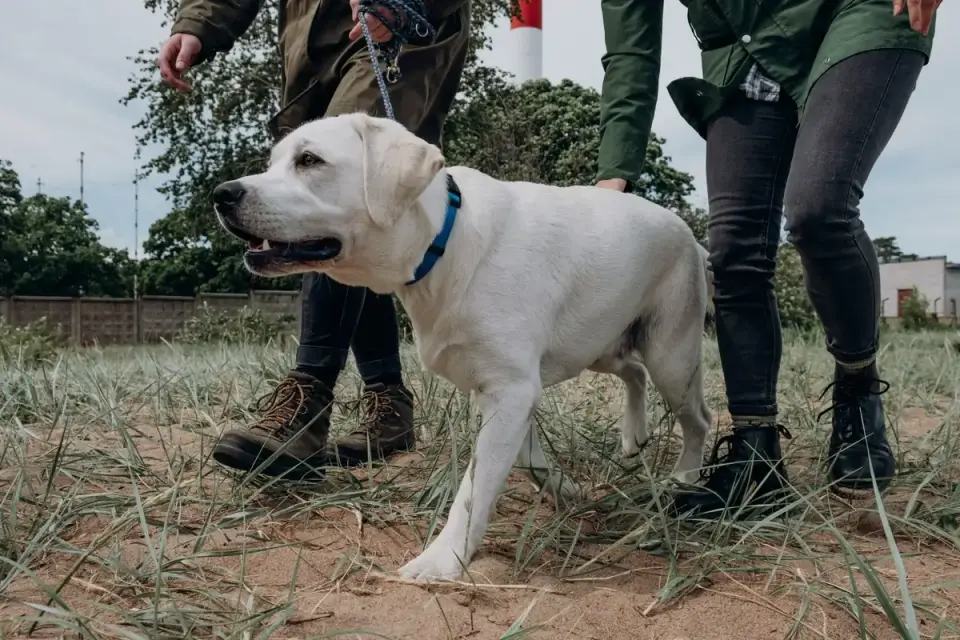
A client brought in Maple, an eleven-year-old yellow Labrador with early kidney changes and a little less spring in her hind legs. Her owner had read that the molecule in red wine helps lab animals live longer and wanted to start it that week. The instinct is a good one. The error sits one layer down, in the assumption that “well tolerated in a study” is the same claim as “proven to slow aging in your dog.” Those are two different sentences, and only one of them is well supported today.
What resveratrol is, and what it is not
Resveratrol is a plant polyphenol, and most supplements use trans-resveratrol, the more stable and better-studied form. In laboratory models it has been examined as a sirtuin-activating compound, part of the same signaling family that fasting and caloric restriction touch. That mechanism is real in cell culture. Whether it buys a pet dog longer or better years is the open question, and the honest answer is that the trial to prove it has not been run. Lifespan results in model organisms have been inconsistent, and higher exposures have sometimes shortened life rather than extended it. So the framing has to stay disciplined. Resveratrol is a supportive antioxidant supplement. It is not a cancer treatment, and nothing here should be read as one.
What the safety data in dogs actually shows
On tolerability, the record is genuinely reassuring. In a 91-day study in beagles, dogs received oral resveratrol at 200, 600, or 1200 mg/kg per day, and the investigators set the No Observed Adverse Effect Level at 600 mg/kg per day. A paired cardiovascular telemetry study found no treatment-related changes in heart rate, blood pressure, or ECG. Those are large doses carrying a wide margin.
The ceiling is real, though. At the top dose of 1200 mg/kg per day, dogs ate less and lost meaningful weight, with mean body weights running 15 to 17 percent below controls, and minimal inflammatory infiltrates showed up in the kidney and bladder at the higher doses. Read that as a boundary, not a target. It says resveratrol has a comfortable safety window, not that more is better.
The part the label leaves out: bioavailability
Both safety and benefit hinge on how much compound actually reaches the bloodstream, and resveratrol is notoriously poor at that. Canine pharmacokinetic work shows plasma levels peaking within one to five hours, but the parent compound is cleared quickly as glucuronide and sulfate conjugates, so free resveratrol in circulation stays low. In that same dog data the conjugated metabolites outnumbered the parent compound several fold. In practice, this is why a large number on a jar does not guarantee a large effect, and why formulation and day-to-day consistency matter more than a single headline milligram figure.
Dosage: what is known, and what is guesswork
There is no established, evidence-based canine dose. Marketed products spread across a wide range, from well under one milligram per kilogram to more than ten, which by itself tells you the field has not converged on an answer. The toxicology doses above were built to probe safety margins and should never be back-converted into a daily plan. A defensible approach, worked out with your veterinarian, is to begin at the low end of a reputable product’s label, give it with food, and watch for the most common problem, which is gastrointestinal upset such as soft stool or a skipped meal.
One nuance earns an oncologist’s flag. In healthy dogs dosed at 200 mg/kg for three days, resveratrol shifted immune signaling, increasing phagocytosis while blunting oxidative burst and raising pro-inflammatory cytokines including TNF and IL-6. The authors specifically asked for more study before routine supplementation. For a dog with cancer, autoimmune disease, or on immune-active medication, that belongs in the conversation before you start, not after.
Using it more thoughtfully
Bring in the veterinarian who knows the whole patient. Resveratrol has shown enzyme-inhibiting and mild antiplatelet activity in human and laboratory work, so it belongs in the medication review for any dog on chemotherapy, anticoagulants, or a long list of drugs. In canine hemangiosarcoma cell lines it did trigger apoptosis and made doxorubicin more effective, which is interesting biology and, to be clear, a result in a dish rather than a prescription. My bar for any senior supplement is plain. It should be well tolerated, it should not interfere with the treatments that are actually extending or improving the dog’s life, and it should earn its place on quality-of-life grounds.
So the useful question is not really whether resveratrol is safe, because at sane doses it largely is. What would it take for you and your veterinarian to know it is helping this particular dog, and how would you notice if it were not?
Frequently asked questions
Is resveratrol safe for dogs?
At sensible supplement doses it is generally well tolerated. In a 91-day beagle study, the No Observed Adverse Effect Level was 600 mg/kg per day, far above typical supplement amounts, and a paired cardiovascular safety study found no concerning effects. The most common real-world issue is mild gastrointestinal upset. Check with your veterinarian before starting, especially for a dog on medication or with existing disease.
What is the right resveratrol dosage for a dog?
There is no established, evidence-based dose. Commercial products range widely, from under 1 mg/kg to more than 10 mg/kg daily, and the high milligram-per-kilogram figures used in toxicology studies are not intended as supplement doses. A reasonable approach is to start at the low end of a reputable product's label, give it with food, and adjust with your veterinarian.
Can resveratrol treat cancer in dogs?
No. Resveratrol has shown pro-apoptotic effects in canine hemangiosarcoma cell lines in the laboratory, and enhanced a chemotherapy drug in that setting, but those are in vitro findings the researchers said warrant further investigation. It is a supportive supplement, not a substitute for veterinary cancer treatment.
Does resveratrol interact with dog medications?
It can. Resveratrol has shown enzyme-inhibiting and mild antiplatelet activity in human and laboratory studies, and it altered immune signaling in healthy dogs. If your dog is on chemotherapy, anticoagulants, or multiple medications, review it with your veterinarian before adding it.
Sources
- Subchronic oral toxicity and cardiovascular safety pharmacology studies of resveratrol, a naturally occurring polyphenol with cancer preventive activity — Food and Chemical Toxicology (Johnson WD et al., 2011)
- Determination of resveratrol and its sulfate and glucuronide metabolites in plasma by LC-MS/MS and their pharmacokinetics in dogs — Journal of Pharmaceutical and Biomedical Analysis (Muzzio M et al., 2012)
- Resveratrol administration increases phagocytosis, decreases oxidative burst, and promotes pro-inflammatory cytokine production in healthy dogs — Veterinary Immunology and Immunopathology (Mathew LM et al., 2018)
- Anticancer Effects of Resveratrol in Canine Hemangiosarcoma Cell Lines — Veterinary and Comparative Oncology (Carlson A et al.)