Joint Chews for a Senior Dog Who Stopped Wanting Walks
A vet explains why senior dogs quit walks, what joint chews can support, and how to choose ingredients, dosing, and daily movement.
When your senior dog has stopped wanting walks, joint support starts with a vet check, weight, and movement.
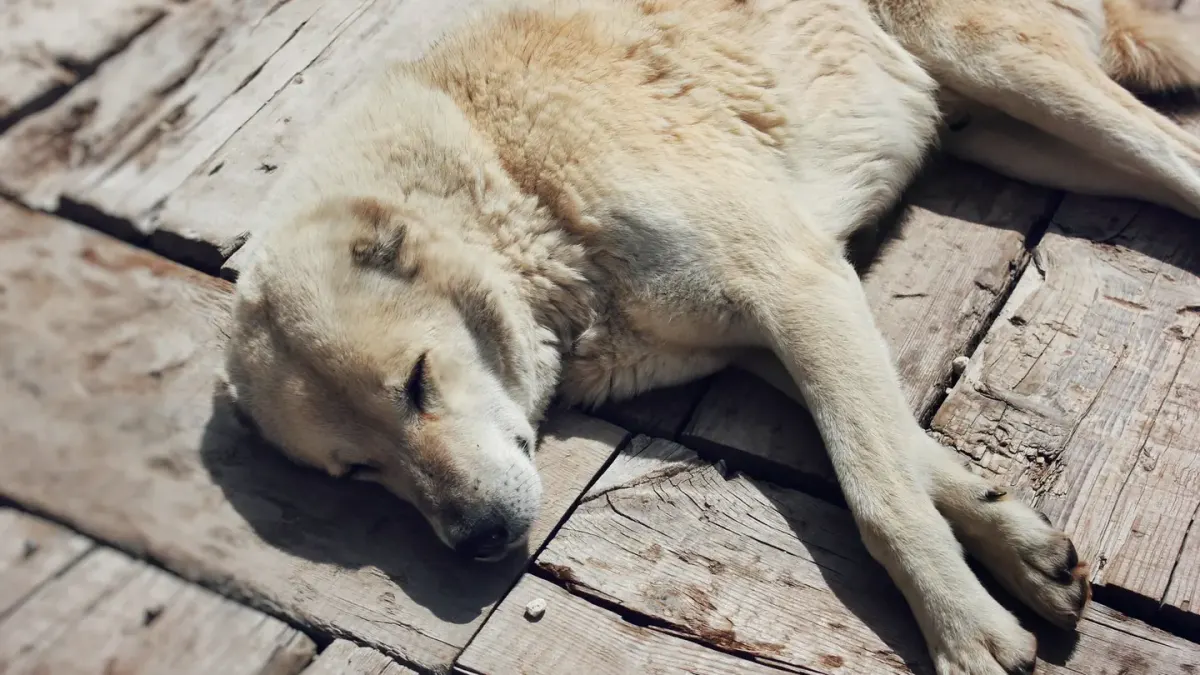
When your older dog turns away at the leash, you face a fork: is this sore joints and fading stamina, or is this pain, illness, or fear that needs a vet visit first? My answer is firm on that order. Check the medical cause, then build the daily plan around weight, gentle movement, and only then a well-made joint chew.
She was 13, a 58-pound mixed breed who had loved the morning block for years. For three weeks her owner watched her stand, then sit back down by the door, tail wagging but eyes worried. On day 10 she went halfway and stopped at the curb, panting, looking back home. The owner wondered if a chew could restart the habit, or if wanting less was just old age. That question — medical problem versus supportable stiffness — is the decision I want every family to make first.
Rule out the stop signs before you shop
A dog who stopped wanting walks can be dealing with arthritis, but loss of interest can also signal heart disease, uncontrolled pain, neurologic weakness, a torn cruciate, infected teeth, or cognitive change. Limping, yelping, night restlessness, panting at rest, collapse, swelling, or sudden refusal in a previously eager dog deserves prompt hands-on care. I meet the owner with compassion here because it is tempting to try a supplement for two months and hope. Hope is kind, but it delays relief.
If your vet finds typical age-related stiffness without red flags, ask about weight, pain control, physical therapy, ramps, traction, and a realistic walk plan. For deeper background on that home setup, see How to Help an Old Dog With Stiff Joints: A Practical Vet Guide and How to Read a Dog Hip and Joint Supplement Label Like a Vet.
What aging joints actually run short on
Cartilage is a living, water-rich cushion fed in part by glycosaminoglycans like chondroitin and glucosamine. With age and load, that matrix thins, joint fluid gets less springy, and everyday friction feels rougher. That is why stiffness shows after rest and eases a little with gentle warm-up.
The ingredient story is modest and worth saying plainly. Glucosamine and chondroitin are among the most studied joint support ingredients for dogs, yet much of the direct cartilage work remains laboratory-based. One laboratory summary found that glucosamine may “prevent experimentally induced cartilage degradation in vitro,” as reported in the Journal of Veterinary Medical Science. A separate review described chondroitin as an ingredient that “supports healthy synovial fluid homeostasis,” as reported in Frontiers in Veterinary Science. Green-lipped mussel adds a different angle with omega-3s and glycosaminoglycans, and in a rodent model researchers found that “BMO, GMO, and KO all alleviated paw swelling in rats and reduced serum levels of rheumatoid factor (RF), anti-cyclic citrullinated peptide (anti-CCP) antibody, and pro-inflammatory cytokines such as TNF-α and IL-17,” as reported in Nutrients.
The science is unsettled on how reliably those effects translate into more eager walks.
He was 11, a 72-pound Labrador who still barked at the leash but quit after one driveway length. His owner bought a bacon-flavored chew with a long blend list and doubled the dose for three weeks in, hoping more would work faster. By day 18 the dog had soft stools, the same short walk, and an owner who felt misled. The tradeoff was clear: a low-dose, multi-ingredient chew without a weight-based plan cannot carry the load that extra pounds and lost muscle put on old elbows and hips. Palatability had won over dose and diagnosis.
How to score a chew when walks have faded
I score labels the same way every time. Look for named ingredients, amounts per chew and per day for your dog’s weight, feeding directions by pounds, and third-party quality marks. Be skeptical of “proprietary blend” totals, tiny “sprinkle” doses of glucosamine or chondroitin, and promises to rebuild cartilage or erase arthritis.
My evidence-bounded pick is simple: choose a chew that pairs glucosamine plus chondroitin at a transparent daily dose with either green-lipped mussel or omega-3s, then judge it on whether walks, stairs, and rising get easier over 4 to 6 weeks alongside weight control and short, frequent movement. The strongest counterargument is fair — that exercise, weight loss, and veterinary pain care do far more than any chew, and some dogs improve with those alone. I still include a well-dosed chew because it is low burden, fits the joint-fluid and cartilage-matrix logic above, and gives us one consistent variable to track.
Start small and steady instead of chasing motivation with distance.
She was 9, a 34-pound cattle-dog mix who refused evening walks but still paced the house at night and slipped on the kitchen floor. Her owner assumed hips, yet the edge case was nails, dim light, and fear of the dark hallway plus slick floors. Once we added rugs, a ramp, trimmed nails, a morning-only route, and by day 10 a log of sit-to-stand time, the dog walked again before any supplement change. Joint support still had a place, but the lever was environment and timing.
For ingredient context, compare Glucosamine vs. Green-Lipped Mussel for Dog Joints: Why the Best Answer Is Both and browse dose and testing detail in Best Joint Supplement for Dogs: 5 Picks Ranked by Dose and Testing (2026).
Give the plan six weeks, then keep what earned its place.
Frequently asked questions
Should I force walks if my senior dog stops wanting them?
No. Shorten the outing, offer a sniff-and-turn option, and call your vet if refusal is sudden, painful, or paired with limping, panting, or behavior change. Track distance, rests, and recovery time.
How long should I trial a joint chew?
Use one transparent, weight-dosed product for 4 to 6 weeks while keeping weight, walks, and home traction steady, then judge rising, stairs, and walk enthusiasm. If nothing changes, recheck with your vet.
Sources
- Chondroitin and synovial homeostasis review — Frontiers in Veterinary Science
- Glucosamine and cartilage degradation in vitro — Journal of Veterinary Medical Science
- Marine oils, paw swelling and inflammatory markers in rats — Nutrients