What Helps Dogs With Diarrhea and When to Call?
A calm feeding reset for mild dog diarrhea, plus red flags that mean skip home care and call your vet.
For a bright adult dog with one mild bout of loose stool, small low-fat meals for a day or two steadies the gut more than any quick fix from the shelf.
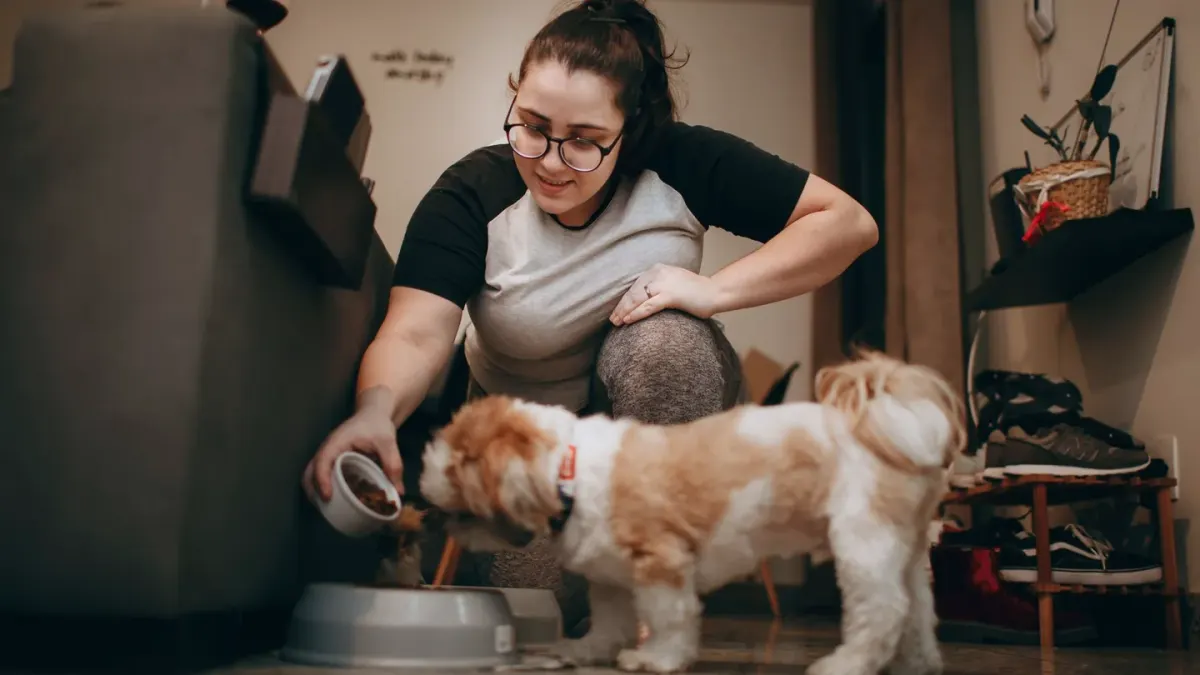
Start with the fork in the road: is this a bright dog with soft stool but normal energy and thirst, or a dog that is flat, painful, vomiting repeatedly, or passing blood? That split decides everything that follows, and it matters more than anything you could buy.
For the first kind — an adult dog who is still drinking, still interested, with mild diarrhea and no red flags — a short, careful food reset does most of the work. Offer water freely, feed about half the usual volume split into three to four small low-fat meals for 24 to 48 hours, then shift back to the regular diet over another two to three days if stools firm up.
VCA Hospitals frames that same triage plainly, listing what counts as routine loose stool and what signs should prompt a veterinary exam rather than continued home observation.
Feed less, more often, then rebuild slowly
A gut in overdrive may help support recovery when meals are small, bland, and low in fat. Think plain cooked white rice with plain boiled skinless chicken breast or low-fat cottage cheese, served lukewarm in modest portions. No extra oils, skins, rich toppers, or new chews while stools are loose.
Pumpkin fruit powder fits here as gentle fiber rather than a cure. Pumpkin fiber is a gentle, natural source of both soluble and insoluble fiber, which is why many owners use a teaspoon-scale spoonful to help maintain normal stool form — not to stop diarrhea on its own.
Watch the bowl the way you watch the yard.
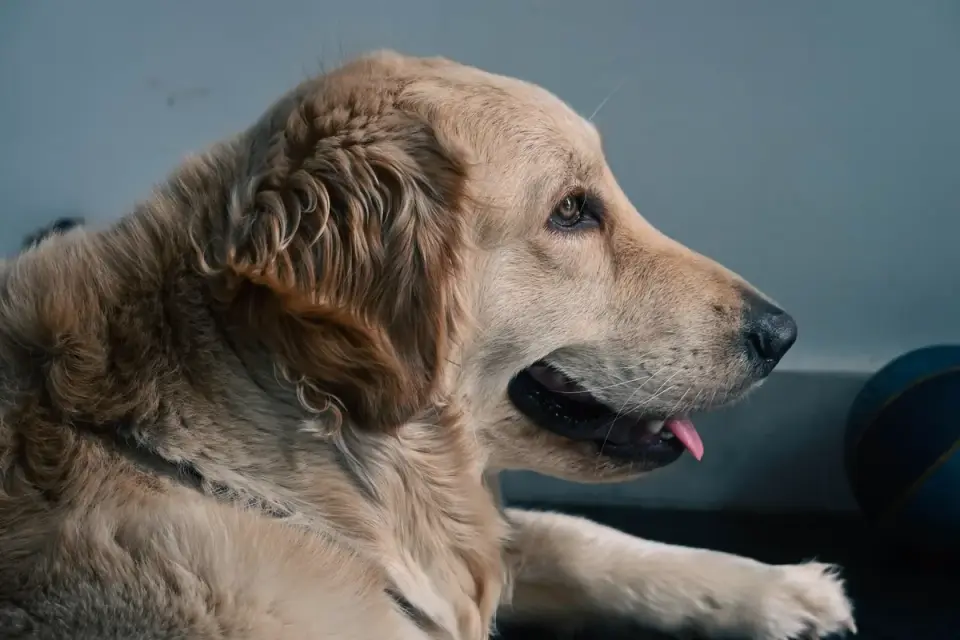
Sherry in Indianapolis noticed it with Gretel, her 4-year-old Soft Coated Wheaten Terrier mix, when a normal morning walk turned into three urgent puddle-like stools before noon but Gretel still begged for breakfast. Sherry held back the rich topper, fed a half-portion bland mix in four small meals that day, and logged each potty break — six total by bedtime, then two firmer ones the next morning.
What to withhold while you watch
This is where owners often blur the answer. Do not stack three new things at once: a new probiotic, a new fiber, plus an anti-diarrhea drug from the medicine cabinet. If stools improve, you will not know what helped, and if they worsen, you have added variables.
Human anti-diarrhea drugs deserve special caution, and dosing decisions belong with your veterinarian, as reviewed in our piece on Can I Give My Dog Imodium for Diarrhea? What to Check First. Keep treats narrow, keep the regular diet on pause, and keep notes on appetite, water intake, vomiting, and stool count.
When this plan is the wrong call
Call now rather than resetting food if you see bloody or black tarry stool, repeated vomiting, belly pain or bloating, marked lethargy, refusal to drink, signs of dehydration, or diarrhea in a very young puppy, a tiny breed at risk of low blood sugar, or a senior dog with chronic disease. The Merck Veterinary Manual notes how broad the causes of small-animal diarrhea can be, which is why persistent, severe, or bloody cases need diagnosis rather than a longer bland diet.
If you are unsure what normal recovery should look like, compare notes with What Does Healthy Dog Poop Look Like? A Vet’s Read on Shape, Color, and When to Worry and background reading in The Complete Guide to Dog Gut Health and Digestion. Each dog responds on its own timeline, one at a time, so let appetite, thirst, energy, and stool shape guide the pace back to full meals.
A mild case often firms within one to two days on this reset. If it does not, or if any red flag appears, stop testing food and get an exam.
Frequently asked questions
Should I fast my dog with diarrhea?
Most adult dogs do better with small low-fat meals than a full fast, while puppies, tiny breeds, seniors, and dogs that are vomiting or lethargic should be checked promptly rather than fasted at home.
How long should bland food last?
For mild cases in a bright adult dog, 24 to 48 hours of small bland meals followed by a 2 to 3 day gradual return to regular food is a common pattern; if diarrhea persists beyond that window or worsens, call your veterinarian.
Sources
- Diarrhea in Dogs — VCA Hospitals