NAD+ and the Aging Dog: What It Is and Why It Matters for Seniors
A veterinarian's plain-language guide to NAD+ in senior dogs: what this cellular coenzyme does, why it declines with age, and what the current evidence actually shows.
NAD+ is a coenzyme every cell in your dog's body uses to turn food into energy, and the supply runs lower with each passing year.

On this page
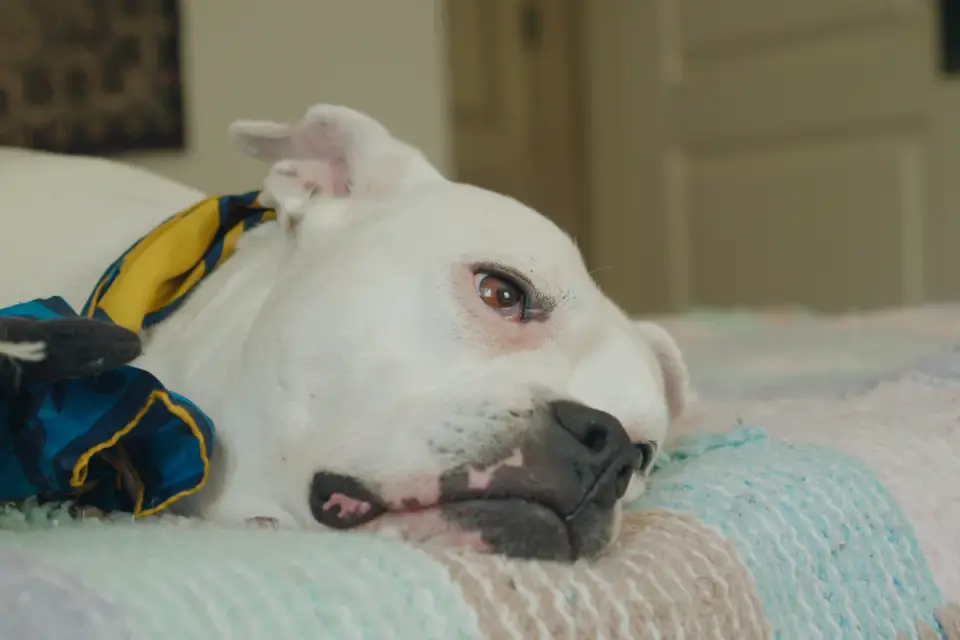
Picture the ten-year-old Lab who used to meet you at the door and now takes the stairs one deliberate step at a time. Or the terrier who paces the kitchen at 2 a.m. for a reason neither of you can name. Owners tend to file these shifts under “just getting old.” Underneath a good number of them sits the same quiet cellular story, and NAD+ is one chapter of it.
The short version, before you shop
A checklist to keep in your pocket:
- NAD+ is a coenzyme, not a medicine. Every cell uses it to make energy; a supplement aims to help maintain the supply, not to treat a disease.
- Look for a named precursor at a stated dose. Nicotinamide riboside (NR) and nicotinamide mononucleotide (NMN) are the two forms you will actually see, listed in milligrams per serving.
- Favor products that carry the NASC Quality Seal and publish third-party testing. That tells you someone audited the label and the batch behind it.
- Right-size your expectations. The strongest data comes from small human trials and lab models; the best canine trial so far is modest and owner-reported.
- Loop in your veterinarian first, especially if your dog takes other medications or has kidney or liver disease.
- Treat the chew as one thread in an aging dog’s care, woven alongside weight, movement, pain control, and diet.
The reasoning behind each line is below.
What NAD+ actually is
NAD+ stands for nicotinamide adenine dinucleotide, a coenzyme that sits in every cell your dog has. Its day job is energy: it shuttles electrons through the mitochondria so cells can turn food into usable fuel. That alone would make it essential. It also does a second job that matters more with age. NAD+ is the currency that powers a family of repair and signaling enzymes, including the sirtuins that help regulate metabolism, the PARPs that patch damaged DNA, and CD38, an enzyme that consumes NAD+ as part of immune and inflammatory activity. When a review in Nature Reviews Molecular Cell Biology mapped this out, the throughline was simple. The same molecule that keeps the lights on also pays for the cleanup crew.
Why the supply runs low as a dog ages
Here is where the lifecycle turns. In young adult dogs, production and consumption of NAD+ stay roughly in balance. As a dog moves into her senior years, that balance tilts. Production slows, and consumption climbs, because the aging body leans harder on the DNA-repair and inflammatory enzymes that spend NAD+ to do their work. CD38, in particular, rises in aging tissues and drives much of the decline. The result is a gradual drawdown rather than a sudden cliff.
That drawdown has been linked, in rodents and humans, to several of the changes we recognize in older dogs: less cellular energy, slower repair, and a nudge toward cognitive and metabolic decline. Canine cognitive dysfunction is common in this age band. A cross-sectional survey in The Veterinary Journal found impairment in roughly 28% of dogs aged 11 to 12, rising to about 68% by ages 15 to 16, and most of it goes undiagnosed because owners read it as normal aging. NAD+ is not the whole explanation for any of that. It is one measurable piece of a larger shift.
What the evidence actually shows in dogs
Be honest about the gap between mechanism and proof. Most direct NAD+ research lives in cells, worms, mice, and people. In humans, a 2018 Nature Communications trial gave healthy middle-aged and older adults nicotinamide riboside at 500 mg twice daily and saw blood NAD+ rise by about 60%, with the supplement well tolerated. That confirms a precursor can raise NAD+. It does not, by itself, prove a benefit for your dog.
The most relevant canine data comes from a 2024 randomized, controlled trial in Scientific Reports. Researchers gave 70 senior dogs a proprietary combination of a senolytic and an NAD+ precursor; 59 completed the three-month primary endpoint. Owners scored their dogs on the Canine Cognitive Dysfunction Rating scale, and the trial reported a significant difference across treatment groups, with the largest improvement in the full-dose group. That is genuinely encouraging. It is also a single, industry-funded study using a combination product and owner-reported scoring, not an isolated NAD+ precursor measured with hard biomarkers. Promising signal, early days.
Reading a label without getting sold
Structure and function is the language to expect. A defensible supplement says it “helps maintain” cellular energy or “may help support” healthy aging. Language that promises to cure dementia or reverse aging is a red flag, not a feature. Confirm the active ingredient is named, with a dose in milligrams per serving, rather than hidden inside a proprietary blend. Look for the NASC Quality Seal, which requires a third-party audit every two years plus ongoing testing and adverse-event tracking. And treat dramatic before-and-after testimonials as marketing, not evidence; a survey of happy owners is not a controlled trial.
Safety, dosing, and the whole-patient view
Nicotinamide riboside has a clean tolerability record in the human trials run so far, but canine dosing is not standardized, and no chew substitutes for a veterinary exam. Dogs with kidney or liver disease, or those already on medication, deserve a conversation with their vet before anything new goes in the bowl. This is where I frame mobility and comfort through whole-patient balance rather than a single fix. In my TCVM practice, an aging dog’s stiffness and fog get addressed across the whole patient: acupuncture and Tui-na to help move stagnation, medical manipulation for the joints, and food or herbs chosen to help maintain balance as the body’s reserves decline. Western herbal antioxidants and classical Chinese formulas for the senior animal fit that same supportive role. An NAD+ precursor, in that context, is one thread in the weave, not the whole garment.
So, is it worth it for your senior dog?
If your dog is entering her senior years, the mechanism is real, the human data is solid on raising NAD+, and the early canine trial points the right direction. The honest catch is that the strongest evidence still sits upstream of your specific dog. So the better question may not be “does NAD+ work,” but this: given her age, her other conditions, and everything else already on her care plan, what would you actually be hoping this one chew adds?
Frequently asked questions
Is NAD+ the same thing as an NAD+ precursor like NR?
No. NAD+ is the coenzyme your dog's cells actually use. A precursor such as nicotinamide riboside (NR) or nicotinamide mononucleotide (NMN) is the raw material the body converts into NAD+. Supplements almost always supply a precursor rather than NAD+ itself, because precursors are more stable and better absorbed.
At what age should I think about NAD+ for my dog?
"Senior" arrives earlier in large breeds and later in small ones, so there is no single number. A more useful trigger is the pattern: reduced stamina, stiffness, disrupted sleep, or subtle cognitive changes. Raise it with your veterinarian at your dog's next senior wellness visit rather than starting on your own.
Can an NAD+ supplement reverse aging or cure my dog's dementia?
No, and any product that claims so is overreaching. The defensible framing is structure and function: it may help support cellular energy and healthy aging. The current canine evidence is a single, small, owner-reported trial of a combination product, which is encouraging but far from a cure.
Sources
- NAD+ metabolism and its roles in cellular processes during ageing — Nature Reviews Molecular Cell Biology (Covarrubias et al., 2021)
- Chronic nicotinamide riboside supplementation is well-tolerated and elevates NAD+ in healthy middle-aged and older adults — Nature Communications (Martens et al., 2018)
- A randomized, controlled clinical trial demonstrates improved owner-assessed cognitive function in senior dogs receiving a senolytic and NAD+ precursor combination — Scientific Reports (2024)
- Under diagnosis of canine cognitive dysfunction: A cross-sectional survey of older companion dogs — The Veterinary Journal (Salvin et al., 2010)
- NASC Quality Seal — National Animal Supplement Council