Why Does My Dog Pant Heavily When Nothing Is Wrong?
Heavy panting with no clear trigger can mean heat, stress, pain, or early illness. Learn how to read the pattern and when to call your vet.
When your dog pants heavily and nothing looks wrong, check heat, stress, pain, and breathing first.
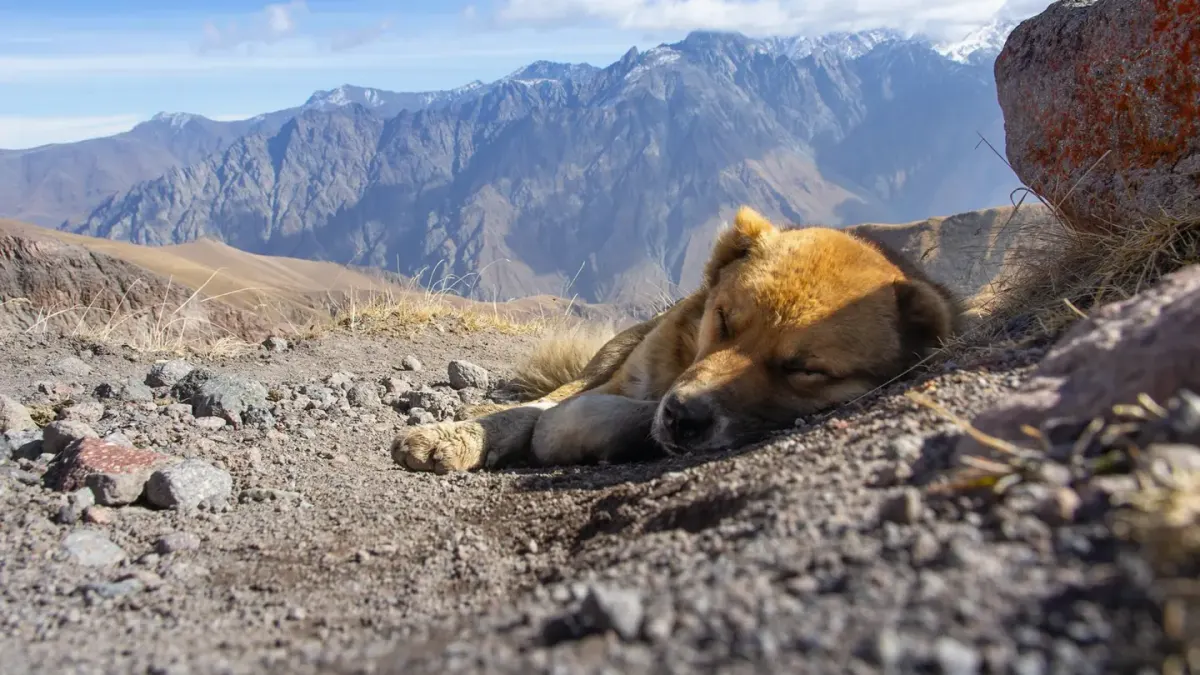
On this page
When your dog pants heavily and nothing looks wrong, check heat, stress, pain, and breathing first. That fork — environment, emotion, body — keeps you from missing something treatable while you look for a behavioral reason.
A 6-year-old, 72-pound Labrador mix came in on my mind this week as a composite of many evenings like yours. He had paced and panted on the rug for two nights in a row, appetite normal, no limping, no vomiting. His owner had opened windows, offered water, and sat with him until midnight. By day 10 of restless evenings, she noticed he avoided the stairs and sighed when he lay down. The panting was not about the room at all. It was about movement and discomfort that did not show until you watched how he rose, turned, and settled.
Is this heat, stress, or something medical?
Start with what you can observe without touching a supplement bottle. Dogs cool themselves through panting, so warmth, recent play, a stuffy bedroom, or a car ride can sustain panting long after the trigger ends.
Stress panting looks different. It often pairs with lip licking, yawning, whale eye, pacing, or clinginess, and it fades when the trigger passes. Noise, visitors, schedule change, or separation distress are common drivers, and you can read more about the pattern in Dog Anxiety Supplements: What Actually Calms a Nervous Dog, and What’s Just Marketing.
Medical panting tends to persist at rest, interrupt sleep, or pair with subtle shifts — reduced play, slower stairs, cough, increased thirst, restlessness at night, or a hunched posture. Pain, fever, heart and lung change, Cushing-like signs, nausea, and anxiety can overlap, so context matters more than any single breath rate. If gums look pale, gray, or blue, breathing looks labored, or the dog cannot settle, seek care promptly rather than waiting to see.
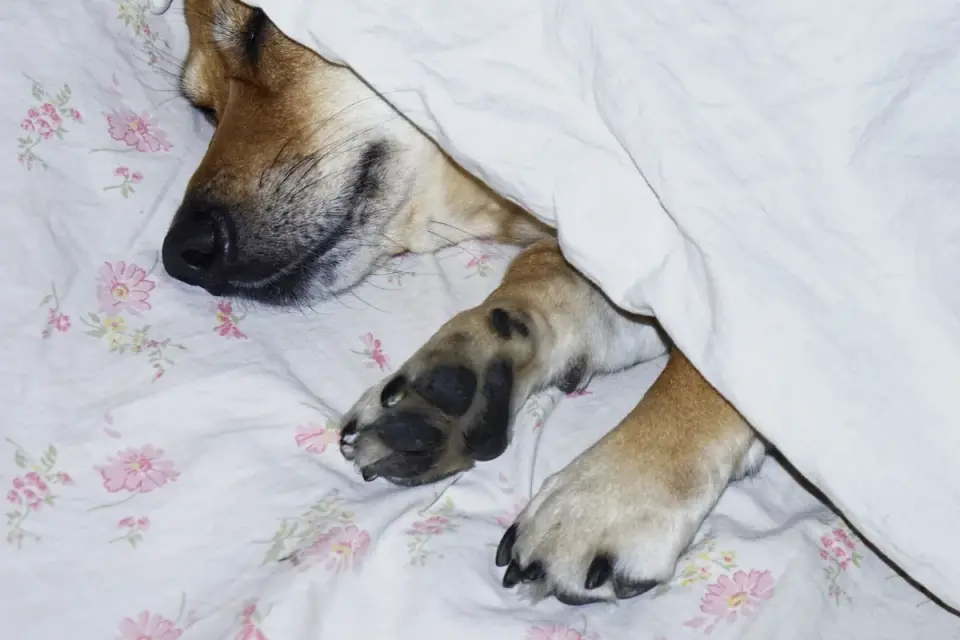
Could pain be driving the panting you cannot explain?
This is the counterargument I weigh in every panting exam, and it is why I start from how the dog moves, not only how the dog feels. Many owners expect a limp. What I see more often is stiffness on rising, a short stride, reluctance to jump, neck tension, or panting after lying down.
A 9-year-old, 48-pound cattle-dog type taught me to keep that tradeoff in view. Her owner had tried evening calming chews for three weeks in, hoping travel anxiety was the cause. The chews seemed to take the edge off for an hour, then pacing returned around 2 a.m. On recheck the dog rose slowly, shifted weight off one hip, and panted through the orthopedic exam. The failed approach was not wasted — it clarified timing and showed the limit of calming support when movement was the source. We set the chews aside, addressed comfort, sleep surface, weight, and walks, and nighttime rest improved.
That sequence reflects my position for this publication: rule out body first, then build calm. Calming support may help support relaxation during stress, paired in plain terms with routine, exercise, and sleep, but it does not replace an exam for persistent rest panting.
What do calming ingredients actually support?
If heat and medical red flags are addressed and stress remains part of the picture, owners often ask about L-theanine, ashwagandha, chamomile, and valerian. Here is a sober read on each, in structure-and-function terms that may help support calm behavior alongside training and routine.
L-theanine is an amino acid found in tea that has been studied for its calming properties. That description aligns with the vet-reviewed claim language, while human review data remain narrow: “except for one study on psychotic anxiety (SMD = 0.54; 400 mg/day for 8 weeks)” as summarized in Molecular Psychiatry. I do not transfer that dose to dogs. It tells you interest exists, not a canine protocol.
For ashwagandha, “A systematic review analyzed multiple RCTs and concluded that ashwagandha has a moderate positive impact on stress reduction and cognitive performance.” That finding comes from Cureus. It is general-evidence context, not proof that any chew will stop panting, and quality, dose form, and the individual dog still matter. You can compare how products handle dose transparency in The Best Calming Supplements for Dogs, Scored on Doses and Testing.
For chamomile, “For the remaining species, evidence is derived mainly from preclinical studies or traditional use.” That caution comes from Biomedicines. Traditional use includes the idea that “Chamomile and Valerian Root have been used in traditional herbal care to support relaxation.” I pair that tradition with plain expectations: it may help support a quiet routine, paired with dim light, gentle handling, and predictable bedtime cues, rather than acting as a sedative.
Acupuncture, Tui-na, food therapy, and herbs fit in the same frame for me. Acupuncture may help support comfort and relaxation during stress. Tui-na may help support ease of movement and body awareness. Food therapy may help support steady digestion and daily rhythm. None of these override panting tied to pain, heat illness, or cardiac or respiratory change.
When should you call your vet tonight?
An 11-year-old, 34-pound beagle mix shows the edge case I want you to hold. She panted lightly most evenings for a month, then developed a soft night cough by day 24. Her owner had logged good days and bad days, assuming age and worry. The cough changed the plan from behavior to chest exam, weight trend, and bloodwork. Age does not make panting normal on its own. New cough, exercise intolerance, fainting, belly effort, fever, ongoing appetite loss, or panting that will not break at rest deserves same-day care.
Bring a short log: when panting starts, room temperature, recent activity, stressors, sleep disruption, appetite, thirst, cough, stool, and any stiffness. Note what helps and what does not. That record often answers the question faster than any single test, and it guides whether calm-building tools like those in Dog Calming Chews: What the Evidence Actually Supports fit after the medical screen.
A brief recap: clear heat and air first, scan for stress patterns, watch how your dog moves and sleeps, and get persistent rest panting examined. Calm follows comfort.
Frequently asked questions
Why is my dog panting at rest when the house feels cool?
Look for stress cues, subtle stiffness, thirst change, cough, or restless sleep. Persistent rest panting, labored breathing, pale gums, or collapse warrant prompt veterinary care.
Can anxiety alone cause heavy panting?
Yes. Stress panting often pairs with pacing, lip licking, yawning, or clinginess and eases when the trigger passes. If it persists at rest or disrupts sleep, have the body checked first.
Do calming chews stop panting?
They may help support relaxation as part of routine and training, but they do not address heat illness, pain, or heart and lung disease. Rule out medical causes when panting is new, heavy, or ongoing.
Sources
- Chamomile Evidence Review — Biomedicines
- Ashwagandha Systematic Review — Cureus
- L-Theanine Review — Molecular Psychiatry