5 Everyday Feeding Fixes for Dog Constipation
A vet explains how water, walks, and gentle fiber relieve mild dog constipation and when to call the clinic.
For mild constipation relief for dogs, fix water, walks, and gentle fiber first, then call if straining lasts over 48 hours.
On this page
Most mild constipation in dogs responds best to steady water, movement, and measured fiber in the bowl before any strong remedy enters the picture.
Travis in Springfield, Missouri, started watching Fredo, his 5-year-old neutered male Poodle mix, after two days of small, dry stools and extra circling in the yard. Vets often see this pattern in winter, when indoor dogs drink less and get shorter walks. Travis weighed the choice between adding a spoonful of plain canned pumpkin and buying a laxative treat, and he tracked water intake and walks for 48 hours while he decided.
Fix water and movement before you add anything
Meet each dog on its own turf, one at a time, and start with what moves the colon every day. Dogs that eat mostly kibble, drink from a bowl that sits all day, or miss walks tend to produce drier, slower stools.
Fresh water in a clean, wide bowl, canned food mixed into kibble for moisture, and two 20-minute walks help maintain normal motility for many healthy adult dogs. VCA Hospitals lists lack of exercise, dehydration, and diet among common contributors to constipation in dogs, along with hair, bones, and other intestinal blockages that need direct care.
If your dog still eats willingly, passes some stool, and stays bright, you can run a calm 24- to 48-hour feeding trial. If there is vomiting, belly pain, crying to defecate, bloody discharge, lethargy, loss of appetite, or no stool at all, skip the feeding trial and call your veterinarian.
Use gentle fiber in small, measured amounts
Pumpkin fiber is a gentle, natural source of both soluble and insoluble fiber.
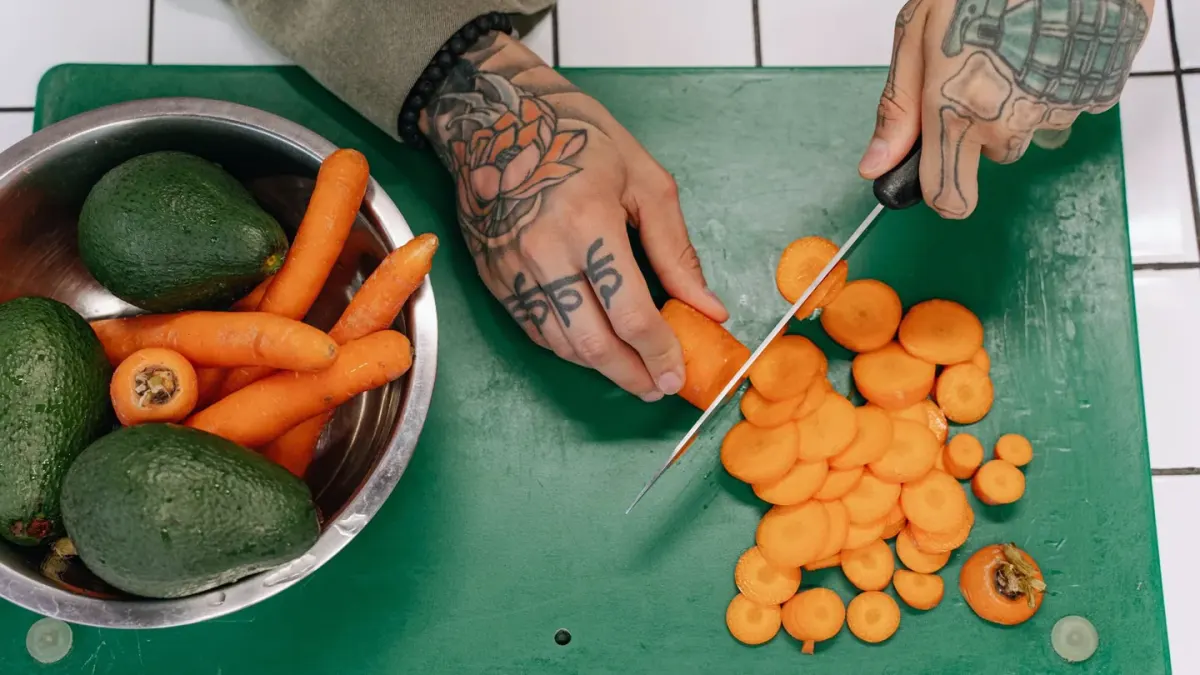
That matters because mild slowness often reflects low residue and low moisture in the colon, not a colon that needs forceful stimulation. For a dog like Fredo, one measured spoonful of plain canned pumpkin with no spices or xylitol, mixed with dinner plus added water, may help support normal stool bulk without swinging the diet.

Fiber can backfire when you add too much, too fast. Too large a dose may help support gas and bloating rather than comfortable passage, and dry fiber without water can make stools firmer. Keep the base diet stable, add one fiber source at a time, and hold the amount steady for two to three days while you watch shape and effort.
Patterns matter here. A dog with chronic kidney disease, hypothyroidism, orthopedic pain, or long-term medication use may have recurring constipation that looks mild but needs a full exam. In practice, older dogs that squat less because rising hurts often get labeled constipated when pain is the real driver.
What fermentation research can and cannot tell you
Different fibers ferment differently, which is one reason one dog does well on pumpkin while another does better on a mixed diet with more moisture.
In laboratory fermentation work, “Bacterial alpha diversity metrics increased (P < 0.01) during acacia fiber fermentation and decreased (P < 0.01) during inulin and pectin fermentation.” That finding comes from in vitro work reported in the Journal of Animal Science, not from feeding constipated dogs in homes.
You cannot lift that result straight to the bowl. It does not set a dose, prove relief from straining, or rank fibers for constipation relief for dogs. It is useful as context: fiber choice changes microbial patterns, so meet each dog on its own turf, watch the stool response for several days, and keep realistic expectations rather than chasing a quick fix.
A balanced gut microbiome supports overall immune function, but that broad support is different from treating blockage or obstipation. Learn what healthy stool should look like day to day and review how digestion and gut balance connect so you can judge the trial fairly.
A fair home trial you can actually repeat
Pick one change. Feed it the same way for three days. Walk the same route at the same times. Note water refills, stool count, shape, and straining.
A reasonable plan for an otherwise healthy adult dog with mild slowness is moist food plus one small fiber addition, daily walks, and ready water. If stools soften toward log-shaped and pass with less effort within 48 hours, you have your answer. If straining worsens, stool volume drops to nothing, or you see pain, vomiting, or blood, stop the trial and seek care.
Do not reach for human laxatives, enemas, or mineral oil on your own. Those tools have narrow uses and real risks in dogs, including aspiration, electrolyte shifts, and masking a blockage.
Skeptical friends often ask why a vet would withhold a fast remedy when the dog looks uncomfortable. The answer is pattern and safety. Forceful emptying does not correct low water intake, low movement, or a diet that keeps making dry stools, and it can delay care for foreign material, enlarged prostate, perianal disease, or neurologic problems.
If mild episodes keep returning every few weeks despite steady water, walks, and gentle fiber, ask your veterinarian about anal glands, pain, medications, and whether digestive enzymes fit your dog’s pattern. That follow-up protects the dog that needs more than everyday feeding.
For related context, read Boops Pets vs Plentum for Dogs: Which Gut Supplement Actually Wins?.
For related context, read Digestive Enzymes for Dogs: When They Help, When They Don’t, and What to Look For.
Frequently asked questions
How long can a dog go without pooping before I worry?
Many vets use 48 hours of no stool, or any straining with pain, vomiting, lethargy, loss of appetite, or blood, as the point to call. Mild slowness with small dry stools but normal energy can be watched briefly while you fix water, walks, and gentle fiber.
How much pumpkin should I give for mild constipation?
There is no single proven dose. Start with a small measured amount of plain canned pumpkin, add water to the meal, and hold steady for 2 to 3 days while you watch stool shape and effort. Too much fiber too fast can increase gas without helping passage.
Sources
- Constipation in Dogs — VCA Hospitals
- Bacterial alpha diversity metrics increased during acacia fiber fermentation — Journal of Animal Science