Usually: Deworming Causes Brief Diarrhea in Puppies
Mild loose stool after deworming is common in puppies. Learn why it happens, how long it lasts, and when to call your vet.
Deworming can cause brief diarrhea in puppies, and most settle within a day or two.
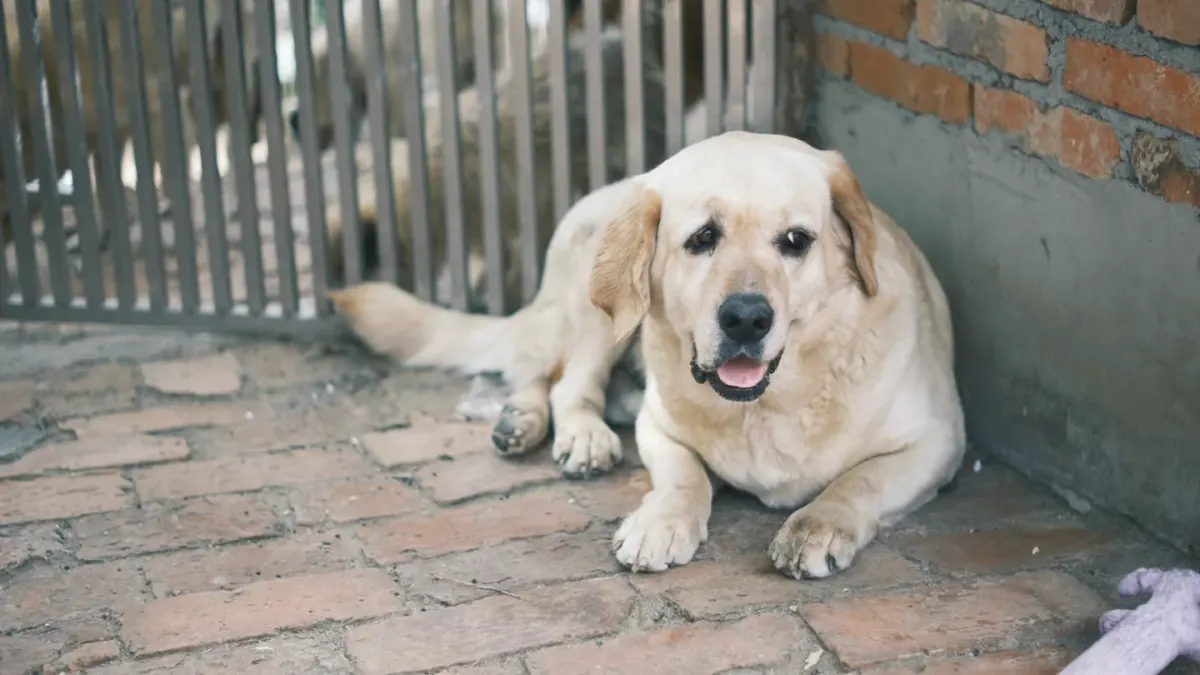
Tonya had timed everything carefully for Paolo, her 7-month-old neutered Staffordshire Bull Terrier mix in Plano, Texas, giving the dewormer with breakfast and planning a short walk two hours later. By afternoon the stool was soft, then loose twice before bedtime, and she was left weighing whether the medication had worked or had upset his gut.
That decision fork is where most owners land: watch and support at home for a day, or call the clinic now. For a bright, drinking, playful puppy with one or two soft stools after deworming, watchful waiting often fits. For watery diarrhea that persists, contains blood, or comes with vomiting, lethargy, or refusal to drink, the pattern points away from a routine medication effect.
Why loose stool follows deworming
Dewormers clear intestinal parasites, and dying worms plus intestinal irritation can temporarily change stool consistency. The Merck Veterinary Manual notes that gastrointestinal parasites of small animals live in close contact with the gut lining, so both the infection itself and its clearance may help explain why stool looks off around treatment.
Puppies are more sensitive to that shift. They carry lower reserves, dehydrate faster, and often harbor higher worm burdens than adults, so what looks like a mild change in an adult dog deserves closer attention in a young puppy.
In practice, vets often see a pattern of soft stool for 24 to 48 hours after deworming, then a return toward formed stool as feeding and water intake stay steady. That timeline is a guide, not a promise.

What fits a medication effect and what does not
A mild, short-lived change may help support the idea of a routine post-deworming upset: slightly soft stool, normal energy, normal thirst, and interest in food. Keep meals bland but familiar, offer fresh water often, and keep walks short and clean to limit reinfection.
A different pattern needs prompt care. Persistent watery diarrhea beyond a day or two, repeated vomiting, bloody or black stool, belly pain, fever, weakness, or a puppy that will not drink should be treated as a separate problem. Those signs can reflect heavy parasitism, another infection, dietary indiscretion, or medication intolerance rather than expected clearance.
The Companion Animal Parasite Council emphasizes regular parasite testing and prevention by age and risk, which helps put one loose stool in context. A puppy with a known worm burden, missed doses, or exposure to contaminated soil or feces may need rechecking rather than reassurance alone.
How to support recovery without overcorrecting
Meet each puppy on its own turf, one at a time. A lean, active puppy that is still eating may need only rest, water, and its usual food in smaller, more frequent meals. A small, quiet, or newly adopted puppy that fades quickly needs an earlier call.
Avoid reaching for human antidiarrheals on your own. Choices around drugs like loperamide depend on cause, dose, breed risk, and other medications, as discussed in Can I Give My Dog Imodium for Diarrhea? What to Check First. It helps to review what normal variation looks like first in What Does Healthy Dog Poop Look Like? A Vet’s Read on Shape, Color, and When to Worry and What Does Normal Dog Poop Look Like? A Vet’s Structure-and-Function Read.
Call your veterinarian the same day for bloody diarrhea, vomiting with diarrhea, signs of dehydration such as dry gums or skin that tents, or no improvement within 48 hours. Bring the product name, dose, time given, and a fresh stool sample when possible.
Brief recap: mild loose stool after deworming is common and usually passes quickly, but persistent diarrhea in a puppy is never routine to wait out.
Frequently asked questions
How long does diarrhea last after deworming a puppy?
Many puppies have soft stool for 24 to 48 hours, then return to normal if they stay bright, eating, and drinking. Call your vet for watery, bloody, or longer-lasting diarrhea.
Should I feed normally after deworming?
Offer fresh water and the usual balanced diet, sometimes in smaller, more frequent meals for a day. Avoid sudden diet changes unless your veterinarian advises them.
Sources
- General Guidelines — Companion Animal Parasite Council