Everyday Habits That Protect a Dachshund's Back and Joints
A vet's daily routine for Dachshund backs and joints — weight, movement, handling, surfaces, and where joint ingredients fit alongside conventional care.
For Dachshunds, back protection lives in daily weight, walking, lifting, and flooring choices — not in any single fix.

On this page
A seven-year-old standard Dachshund, 14 pounds and already one pound over his ideal, hesitated at the bottom of the couch steps his owner had bought months earlier. The owner wanted to know which joint chew would keep his back safe. I told her the steps mattered more than the chew that week, because the daily jump down was loading the same long spine we were trying to protect. She looked disappointed, then relieved, when I mapped the next month around body condition, leash walks, and handling instead of shopping for a stronger supplement. That decision fork — habits first, tools second — is where I start with every long-backed breed.
Score the day, not the supplement
I score a Dachshund’s joint day on the same rubric I use for supplements: weight, movement, load, surface, and monitoring. Winners and losers are specific. Maintaining lean body condition wins on spinal load. Two short sniff walks win over one weekend sprint. A ramp wins over repeated couch launches. Non-slip runners win over slick hardwood. Daily posture notes win over waiting for a yelp.
This is also where I run manual-medicine counsel alongside conventional care. Conventional care gives us weight targets, neurologic exams, imaging when needed, and pain control. Acupuncture, Tui-na bodywork, and animal chiropractic thinking give us careful palpation for paraspinal tightness, guidance on symmetrical movement, and hands-on comfort support during recovery. Supplements sit inside that plan as tools that may help support comfort and mobility, never fixes.
The strongest counterargument is fair: owners want a chew to do the work because habits feel slow. I still land on habits because no ingredient changes jumping physics or extra adipose load. Glucosamine and chondroitin are among the most studied joint support ingredients for dogs, yet even that deep history does not replace unloading the spine.
Control weight and feed for lean
Extra weight is the daily tax on a Dachshund’s discs and limb joints. I ask owners to learn rib feel, waist tuck, and monthly weigh-ins rather than chasing a scale number alone. Measure food, limit high-calorie toppers, and trade cookie rewards for pea-sized training treats or play.
By day 10 of a measured reset, most owners can report whether begging pressure or portion creep is the real problem. If weight will not budge after three weeks of honest measuring, that is a veterinary visit, not a supplement switch.
Joint nutrition fits here in a supporting role. Chondroitin has been described in peer-reviewed work as an ingredient that “supports healthy synovial fluid homeostasis,” reported in Frontiers in Veterinary Science. Glucosamine HCl has been reported to “prevent experimentally induced cartilage degradation in vitro” in work published in the Journal of Veterinary Medical Science. Green-Lipped Mussel contains omega-3 fatty acids and glycosaminoglycans that have been studied for joint support, with one laboratory report noting that “BMO, GMO, and KO all alleviated paw swelling in rats and reduced serum levels of rheumatoid factor (RF), anti-cyclic citrullinated peptide (anti-CCP) antibody, and pro-inflammatory cytokines such as TNF-α and IL-17” in Nutrients. Those findings may help support joint comfort, but they do not lift weight off a disc.
For label literacy, see How to Read a Dog Hip and Joint Supplement Label Like a Vet.
Move a little, every day
A four-year-old miniature Dachshund, 11 pounds, came in stiff after a weekend pattern I see often: five quiet weekdays, then a long off-leash hike plus fetch. For three weeks in, the owner had tried adding a mussel-based chew while keeping the same boom-and-bust exercise. The dog still rose slowly on Monday mornings and bunny-hopped for the first block. The tradeoff was clear. The chew did not fail so much as the schedule failed the dog, because deconditioned core muscles left the thoracolumbar spine to absorb every sprint and stop.
I prefer even, nose-down movement. Ten to twenty minutes twice daily on level ground, with hills, stairs, and fetch introduced gradually if at all. Warm up with a slow first five minutes. Keep the trot symmetrical. End before heavy panting or lagging.
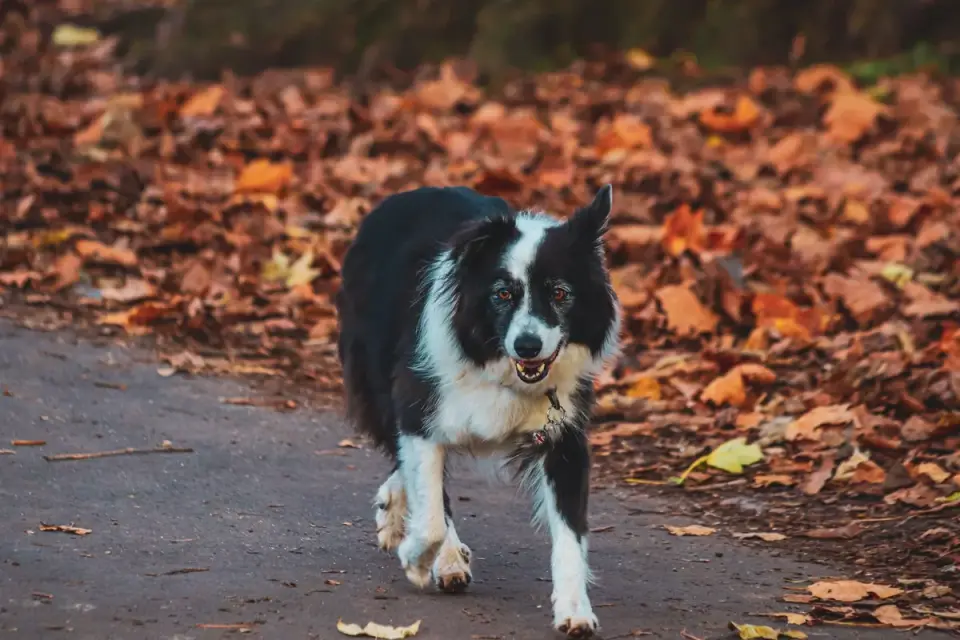
Short is strong medicine here.
Tui-na-informed home habits help: gentle chest rubs to encourage thoracic extension, slow figure-eight leash paths to promote left-right balance, and rest days that still include a potty stroll rather than full couch arrest unless your veterinarian prescribes crate rest. For aging dogs, my companion piece How to Help an Old Dog With Stiff Joints: A Practical Vet Guide walks through pacing and surface tweaks.
Lift, carry, and house-proof the spine
Pick up a Dachshund with one hand under the chest and the other supporting the rear, holding the spine level against your forearm. Avoid scruffing, dangling the hindquarters, or twisting out of a crate. Teach a wait cue at stairs, beds, and car doors so ramps actually get used.
Set the house to reduce torque. Add a low-angle ramp to the sofa and bed, block under-couch dives, place yoga-mat runners on slippery turns, raise food and water just enough to avoid a hunched neck, and keep nails trimmed so the dog does not splay for grip. A crate-trained dog recovers more safely if back pain ever requires strict rest.
If you are weighing glucosamine against mussel inside that plan, Glucosamine vs. Green-Lipped Mussel for Dog Joints: Why the Best Answer Is Both explains why they cover different biology.
Know the edge case that changes the plan
A nine-year-old Dachshund, 13 pounds, had always been the “good” walker. Over six weeks the owner noticed a new pattern: scuffed rear nails on concrete, a slight delay placing the left hind foot, and reluctance to shake after naps. There was no crying, no limp after play, no single injury. That neurologic edge case does not respond to more core work or a different chew. Subtle rear-foot deficits, crossing over, loss of bladder control, or sudden unwillingness to move warrant same-day veterinary assessment, because hind-limb failure has many causes beyond sore joints.
I keep Dog’s Back Legs Giving Out: What’s Actually Failing, and When to Stop Waiting bookmarked for owners who need help separating orthopedic stiffness from neurologic change.
My bottom line stays steady: keep the dog lean, walk daily and evenly, lift level, traction the floors, and use acupuncture, bodywork, and supplements as supports inside conventional veterinary care.
Frequently asked questions
What is the single best daily habit for a Dachshund's back?
Keeping the dog lean. Healthy weight lowers daily load on discs and limb joints more than any chew, walk variation, or ramp alone.
Should Dachshunds avoid stairs completely?
Limit repetitive stair sprinting and jumping on and off furniture. Use ramps, gates, and a wait cue, and ask your vet for a personal exercise limit if your dog has known disc disease.
Do joint supplements protect a Dachshund's discs?
Supplements may help support joint comfort and mobility alongside weight control and movement, but they do not prevent disc herniation or replace veterinary care for back pain or weakness.
Sources
- Chondroitin Supports Synovial Homeostasis in Dogs — Frontiers in Veterinary Science
- Glucosamine Prevents Cartilage Degradation In Vitro — Journal of Veterinary Medical Science
- Mussel, Krill and Fish Oils Alleviate Paw Swelling in Rats — Nutrients