5 Reasons for Undigested Food in Dog Stool
Whole kibble, corn, or carrots in stool often means fast eating or low-chew fiber. Learn normal vs. warning signs and feeding fixes.
Seeing undigested food in your dog's stool is unsettling, but feeding pace and fiber often explain it.
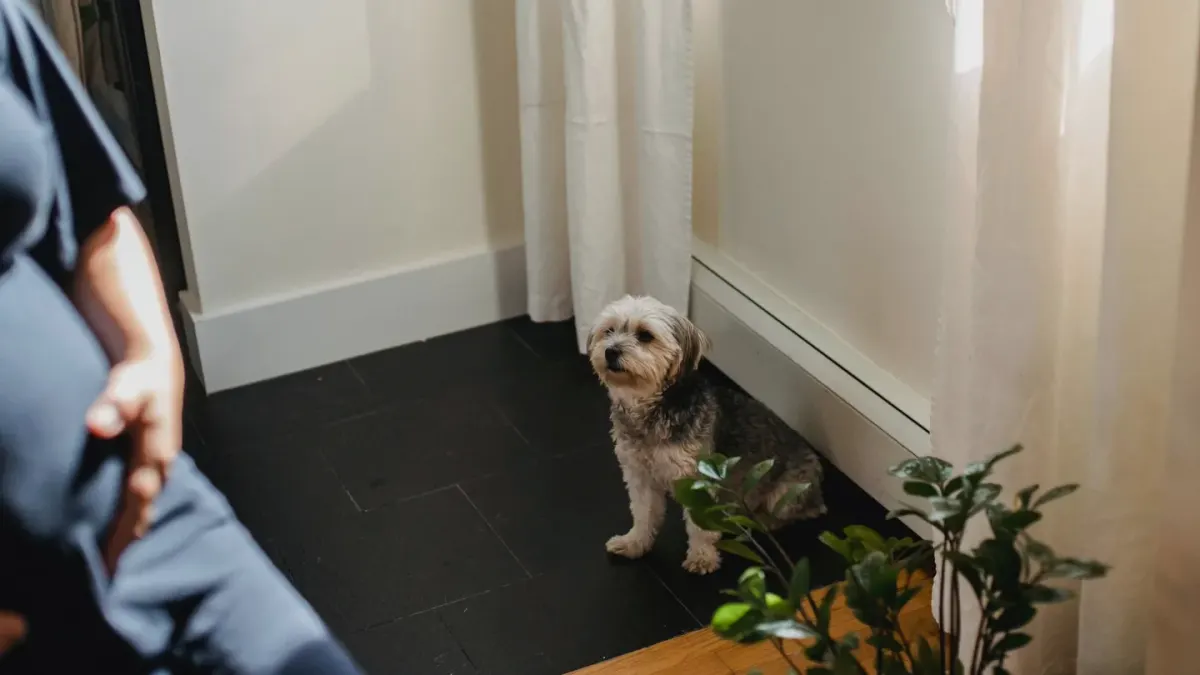
Todd started checking Hooper’s stool after he spotted whole brown pellets mixed in it for three mornings in a row. Hooper, his 5-year-old neutered male Maltipoo in Elk Grove, California, was bright, hungry, and finished his half-cup in under two minutes, with no weight loss and no vomiting.
That first fork matters: steady energy, normal thirst, and formed stool with recognizable food points toward feeding mechanics, while watery diarrhea, repeated vomiting, weight loss, or lethargy points toward a clinic visit first.
Slow the bowl first, or call the clinic first?
Use feeding habits as the first filter, not the final answer. Dogs that gulp, compete for food, or eat large dry kibble without much chewing swallow air and poorly broken particles that move through faster and break down less completely.
Call your veterinarian promptly if undigested food comes with persistent diarrhea, greasy or very pale stool, blood, marked appetite change, abdominal pain, or weight loss over 2-3 weeks. The Merck Veterinary Manual describes how disorders of the stomach and intestines in dogs can impair digestion and absorption, which is why ongoing signs deserve testing rather than another food swap.
For the otherwise normal dog, change one feeding variable for 7-10 days and watch the stool.
Why whole pieces survive the trip
Digestion is mechanical before it is chemical. Teeth and saliva start particle-size reduction, stomach acid and churning continue it, then pancreatic enzymes and bile break starch, protein, and fat into absorbable units in the small intestine.
When that chain is rushed, pieces stay large. Gulping skips chewing, large or very hard kibble resists crushing, and fibrous plant coats such as whole corn kernels, pea skins, carrot chunks, and pumpkin pieces resist enzymes by design. VCA Hospitals notes that diet form, fiber, and feeding management shape normal digestion and stool quality in dogs, which is why the same formula can look different as kibble, soaked kibble, or canned food.
Transit speed adds a second lever. Excitement, a large meal after exercise, sudden overfeeding, new treats, or scavenging can speed movement and shorten enzyme contact time. The result is often textbook: formed stool with intact kibble shapes or vegetable color, rather than uniform liquid diarrhea.
What normal incomplete digestion looks like
Small amounts of recognizable plant fiber, an occasional whole kibble, and mild color variation after table vegetables or chew treats fit mechanical carryover. For context on shape and color, compare against What Does Healthy Dog Poop Look Like? A Vet’s Read on Shape, Color, and When to Worry.
Persistent undigested fat, bulky pale stool, foul rancid odor, or large volumes of loose stool suggest poor digestion or malabsorption rather than fast eating. That pattern needs fecal testing, diet history, medication review, and bloodwork, as outlined in The Complete Guide to Dog Gut Health and Digestion.
What I prioritize, and what I set aside
My bias is food-first and low-intervention: slow intake, adjust particle size, and steady the fiber before adding supplements.
That means a slow-feeder bowl or snuffle mat, dividing the daily ration into two to three measured meals, soaking dry food in warm water for 10-15 minutes, and keeping extras under 10% of calories during the trial. Grated or well-cooked vegetables break down more fully than large raw chunks, and any diet change should transition over 7 days.
Enzyme and probiotic products have a narrow role here. They may help support steady digestion during a diet transition, but they do not replace chewing, portion control, or workup for ongoing maldigestion. For when testing makes sense, see Digestive Enzymes for Dogs: When They Help, When They Don’t, and What to Look For.
My recommendation would change if controlled canine data showed that a specific enzyme or probiotic reliably cleared visible food particles independent of feeding pace. Right now the stronger signal remains mechanics and diet form, not a deficiency in every bowl.
Watch the next seven stools and keep notes simple.
If pieces fade as eating slows, portions steady, and fiber becomes smaller and more consistent, you have your answer. If undigested food persists beyond two weeks despite slower feeding, or any red-flag sign appears, bring a fresh stool sample and a full diet log to your veterinarian.
Frequently asked questions
Is it normal to see whole kibble in dog stool?
An occasional piece after gulping or overeating can happen, especially with large, hard kibble. If it repeats for more than a week, or comes with diarrhea, vomiting, or weight loss, have your veterinarian check a stool sample and diet history.
Does corn or carrots mean my dog is not digesting anything?
No. Whole corn kernels, pea skins, and carrot pieces have fibrous coats that resist breakdown. Small amounts alongside otherwise formed stool usually reflect particle size and transit, not total digestive failure.
Should I switch foods right away?
Not first. Slow eating, measure meals, soak kibble briefly, simplify treats, and transition any new diet over 7 days. Change one variable at a time so you can tell what helped.
Sources
- Nutrition - General Feeding Guidelines for Dogs — VCA Hospitals