Mixing Dog Probiotics Into Food Without Losing Effect
A vet explains heat, moisture, and timing rules for mixing dog probiotics into meals.
Mixing works when heat stays low, moisture stays light, and you watch stool function for two weeks.
Live microbes do their work when enough viable organisms reach the gut, then food carries them through digestion. Heat, prolonged moisture, and long sitting time reduce that viable count, which may help support normal stool consistency and comfort but cannot fix obstruction, persistent vomiting, or bloody diarrhea. The decision fork is simple: for a healthy adult dog eating a regular meal, mix a probiotic into cool, ready-to-serve food and feed right away. For a dog with ongoing digestive signs, a very young puppy, or a dog on immune-suppressing drugs, pause and call your veterinarian before adding anything to the bowl.
Mix cool and feed promptly, not hot and held
Most food forms — powders, capsules opened onto food, and chews crumbled as a topper — share the same limit. Boiling water, a hot slow-cooker batch, microwaving the portion with the supplement in it, or leaving a wet bowl out for hours exposes organisms to heat and moisture that lower survival. The NIH Office of Dietary Supplements notes that probiotic viability depends on strain, dose, and handling, which is why label storage and use directions matter more than marketing terms.
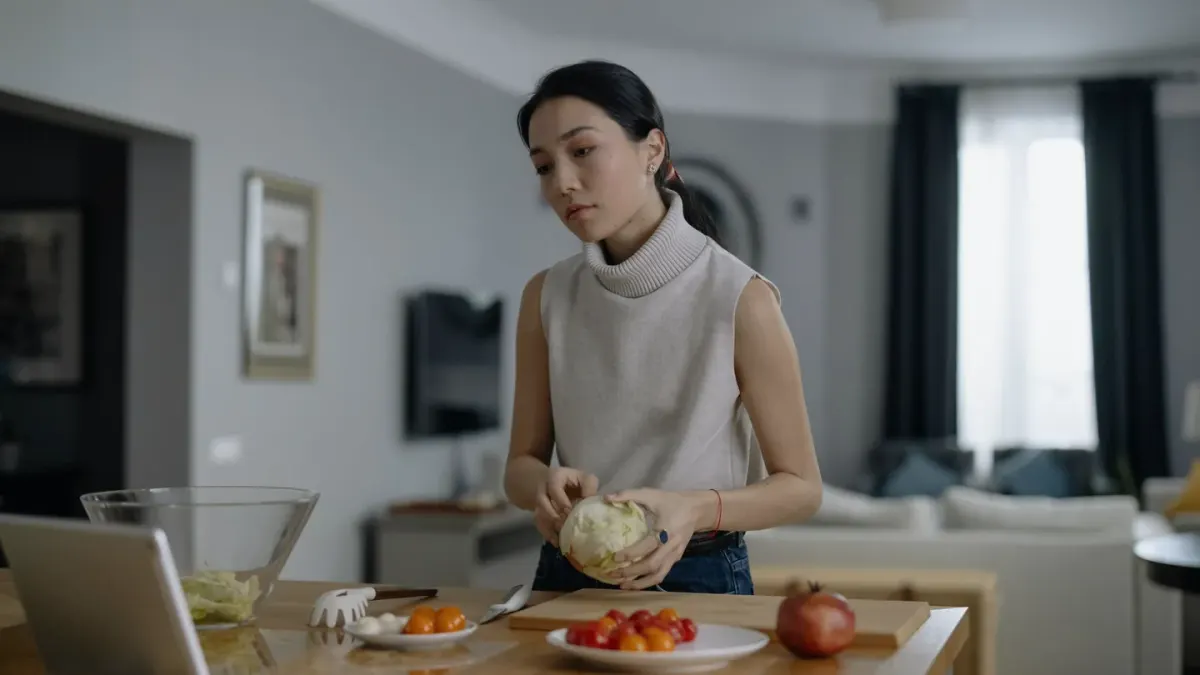
In practice, vets often see owners lose doses in the kitchen rather than in the dog. Cook the base diet first, let it cool to lukewarm or room temperature, add the measured amount, stir lightly, and feed within 15 to 20 minutes. That sequence preserves the mechanism while setting a clear functional limit: it may help support regular bowel movements and mealtime comfort over 1 to 2 weeks, but it will not change hip range of motion, replace training, or resolve weight loss on its own.
Edwin, in Chula Vista, weighs that exact choice for Briggs, his 10-year-old neutered male Catahoula Leopard Dog. Briggs has soft afternoon stools but normal energy and appetite, so Edwin cools a cup of food for 10 minutes, stirs in the daily powder, and feeds immediately while tracking stool shape for 14 days. One measured change plus one timeline keeps the trial readable.
Match the carrier to how your dog actually eats
Dry kibble needs a light binder. A teaspoon of room-temperature water, low-sodium broth, or plain wet food helps powder stick without turning the bowl soupy. Wet or gently cooked food needs the opposite restraint: portion first, cool first, then mix. The National Animal Supplement Council advises buying products with a quality seal, clear lot numbers, and guaranteed live-organism counts through expiration, because CFU on the day of manufacture tells little about what survives in a warm pantry.
Texture refusal is common. Test the carrier alone for one meal before risking a dose, then keep the test serving small — one-quarter of the meal — until acceptance holds. Do not bake a probiotic into biscuits or stir it into a full hot batch for the week.
For more background on normal digestion and stool checks, see The Complete Guide to Dog Gut Health and Digestion and What Does Healthy Dog Poop Look Like? A Vet’s Read on Shape, Color, and When to Worry. Dogs with new flatulence on a changed routine can cross-check feeding factors in Dog Gas Remedy: What Actually Reduces Flatulence and Its Smell.
When mixing helps, when to stop and call
A food-first trial fits stable dogs with mild, short-term soft stool, gassiness, or appetite dips tied to travel, boarding, or a diet transition. Stick to one product, the label dose, and the same mealtime for two weeks. Keep water available, store the container sealed and cool, and discard past-date product.
Stop the trial and call your veterinarian when vomiting lasts beyond a day, diarrhea exceeds 48 hours, blood or mucus appears, appetite drops sharply, the belly looks painful or distended, or a puppy or senior fades quickly. Those signs point past what mixed-in microbes can influence. A balanced gut microbiome supports overall immune function as part of daily nutrition, not as treatment.
Brief recap: cool the food, moisten lightly, feed promptly, and judge by function — firmer, more regular stools and settled mealtimes within two weeks, or change course with veterinary input.
Frequently asked questions
Can I put dog probiotics in hot food?
No. Let cooked or warmed food cool to lukewarm or room temperature first, then mix and feed within 15 to 20 minutes. High heat reduces live-organism survival.
How long should I try mixing a probiotic into food?
For a stable dog with mild soft stool, keep one product at the label dose for about two weeks and track stool shape and appetite. Call your veterinarian sooner for vomiting, bloody stool, pain, or appetite loss.
Sources
- Probiotics Fact Sheet for Health Professionals — NIH Office of Dietary Supplements
- NASC Quality Standards for Pet Supplements — National Animal Supplement Council