Does Cold Weather Make a Dog's Joint Pain Worse? A Vet's Winter Guide
Learn why dogs get stiffer on cold mornings, how to tell weather-related stiffness from joint disease, and what food, movement, and warmth plan helps.
Cold mornings reveal stiffness faster, so judge your dog's joint comfort by warm-up time, not first steps.
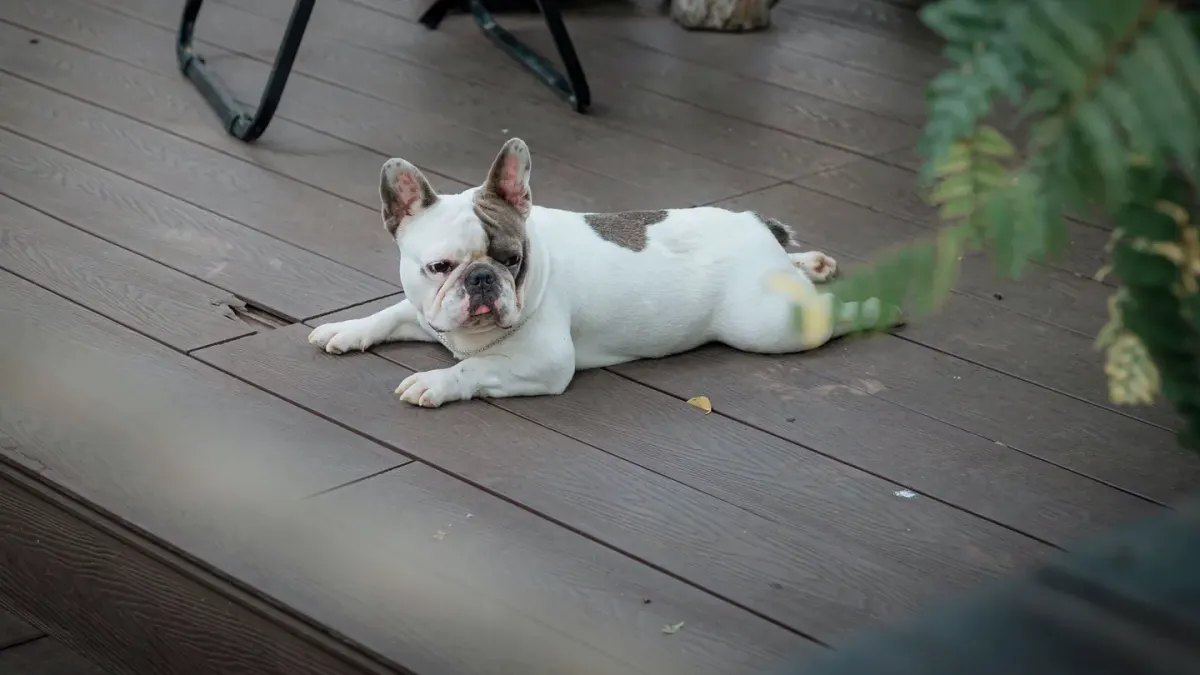
Decide by warm-up, not by first step. If your dog loosens within five to ten minutes on a cold morning, plan for comfort care around food, weight, movement, and warmth. If stiffness lasts past twenty minutes, worsens week to week, or includes limping at rest, book a veterinary exam.
The nine-year-old, 78-pound Labrador in front of me last January made that fork plain. His owner reported three weeks of slow rises at 6 a.m., paws scuffing on the kitchen tile, then normal fetch by 7 a.m. once the house warmed. He ate a balanced adult diet with warm water added, carried an extra four pounds through the holidays, and had slept on a thin mat near a drafty door. We moved his bed, tightened his meal portions, and added a ten-minute leash warm-up before stairs. His rise time shortened from almost a minute to under fifteen seconds by week two, which told us we were supporting mobility rather than chasing disease.
Cold morning or joint problem: make the call
Lead with food-first reasoning. Joints depend on steady nutrition to maintain cartilage structure and to help maintain normal inflammatory balance after daily activity. Cold does not create arthritis, yet it can make existing stiffness easier to see.
Track for seven days. Note overnight low, bed location, minutes to move freely, any limp, and appetite. Short, symmetric morning stiffness that fades points toward cold-exposed comfort loss. One-sided lameness, crying out, swelling, knuckling, or hind-end collapse points toward injury or neurologic disease. That distinction matters more than any chew, and my guide on How to Help an Old Dog With Stiff Joints walks through the same home check.
Call your veterinarian promptly for non-weight-bearing lameness, sudden worsening, fever, or pain that persists through the day. For context on hind-end changes that mimic arthritis, review Dog Hind Leg Weakness: A Neurologist’s Checklist for Telling Joint Pain From Spinal Disease.
What cold actually changes inside the joint
Muscle cools faster than joint capsule warms. Tight muscles shorten stride, thickened synovial fluid resists glide for the first minutes, and slick floors demand extra stabilization from hips and stifles. Food-therapy reasoning frames winter care as warming the middle and keeping circulation moving, which in plain terms means consistent meals, healthy weight, gentle activity, and a warm resting place.
The ingredient literature fits here in structure-and-function language only. Glucosamine and chondroitin are among the most studied joint support ingredients for dogs, a status summary reflected in veterinary claim reviews rather than proof of pain relief. In laboratory work, chondroitin has been described to “supports healthy synovial fluid homeostasis” in work published in Frontiers in Veterinary Science. Glucosamine HCl was reported to “prevent experimentally induced cartilage degradation in vitro” in research published in Journal of Veterinary Medical Science. Green-lipped mussel research remains early and largely preclinical; one nutrient study reported that “BMO, GMO, and KO all alleviated paw swelling in rats and reduced serum levels of rheumatoid factor (RF), anti-cyclic citrullinated peptide (anti-CCP) antibody, and pro-inflammatory cytokines such as TNF-α and IL-17” in Nutrients.
The eleven-year-old, 52-pound mixed-breed I followed in February shows the tradeoff owners miss. Her family had started a grocery-store chew in December and skipped daily walks because ice made sidewalks treacherous. By day 10 of cold snap, her evening restlessness increased and she refused the basement stairs. The chew supplied no clear dose on the label, and indoor rest had cost thigh muscle. We paused the vague product, restored five-minute hallway sessions three times daily, added a non-slip runner, and fed measured meals to trim two pounds. She climbed stairs again, which reminded me that an under-dosed supplement cannot replace movement and footing.

Score the winter plan before you buy anything
I score winter joint care on the same rubric I use for label reviews. Food and weight come first, since extra pounds load cartilage with each rise. Daily low-impact movement comes second, because muscle helps maintain joint stability. Warmth, footing, and massage come third, because they shorten that cold-start window.
Supplements sit fourth. They may help support normal joint structure when doses are transparent and consistent, yet they do not warm a cold room or rebuild lost muscle. To compare labels on equal footing, use How to Read a Dog Hip and Joint Supplement Label Like a Vet and Best Joint Supplement for Dogs: 5 Picks Ranked by Dose and Testing (2026).
Do this order for two weeks. Weigh food with a scale. Offer warm water with meals for aroma and hydration. Provide an orthopedic bed away from drafts. Lay runners over tile and hardwood. Walk five to fifteen minutes on level ground, then rest. Add gentle range-of-motion handling only if your veterinarian has shown you safe technique. Re-measure rise time and walk distance.
The edge case that changes the plan involved a six-year-old, 24-pound terrier mix seen after a cold weekend. His owner expected arthritis, but his signs shifted within one walk from stiffness to scuffing toenails and crossing hind feet, worse by day three despite warmth. That pattern raised concern for neurologic disease rather than simple joint comfort loss, so we referred promptly instead of adding joint chews. Cold can unmask weakness because tight muscles fatigue faster, which means any dragging, knuckling, or incontinence deserves examination before winter management continues.
The strongest counterargument is fair: some dogs show no seasonal pattern, and controlled trials have not proven cold itself damages cartilage. I still land on a winter comfort plan because the observable cost is low and the structure-and-function logic holds — maintain healthy weight to reduce load, maintain daily movement to support muscle around joints, and maintain warmth and footing to support normal morning function.
Keep meals steady, movement daily, and mornings warm.
Frequently asked questions
Does cold weather cause arthritis in dogs?
No. Cold makes existing stiffness more visible because muscles are tight and joints take longer to warm up. Arthritis reflects long-term changes in joint structure, while winter often reveals them.
How long should morning stiffness last before I call the vet?
Track warm-up time for a week. Stiffness that fades in five to ten minutes often responds to warmth, footing, and movement. Stiffness past twenty minutes, limping through the day, swelling, or sudden worsening needs an exam.
Should I start a joint supplement just for winter?
Start with measured feeding, daily low-impact walks, a warm bed, and non-slip footing. Consider a clearly labeled supplement only after those basics are steady, and ask your veterinarian what fits your dog.
Sources
- Synovial homeostasis review — Frontiers in Veterinary Science
- Glucosamine in vitro cartilage study — Journal of Veterinary Medical Science
- Marine oil joint inflammation rat model — Nutrients