Why a Dog Loses His Appetite During Thunderstorms
A skittish stomach during storms is common. Learn how stress shifts digestion, what to check first, and how to help your dog eat again.
A dog who skips dinner when thunder rolls is usually telling you his nervous system put digestion on hold, not that he stopped liking his food.
On this page
Thunder moves through the floor before you hear it, and a sensitive dog feels that shift in his spine, his gut, and his breath. Appetite drops because the body is bracing to move, not to digest.
Checklist-first: what to do when the bowl goes untouched during a storm
- Rule out illness first: vomiting, diarrhea, lethargy beyond the storm, or refusal lasting more than 24 hours needs a vet visit, not a calming plan.
- Lower the load on the nervous system: close curtains, add steady background sound, and offer a small interior resting spot where the dog can settle his alignment without pacing.
- Hold the food pressure off: lift the bowl after 15 minutes, keep water available, and offer a smaller bland meal once the dog is breathing slowly again.
- Track the pattern: note storm length, recovery time, and when eating resumes to see whether mobility and appetite recover together.
Decide first: storm stress or sick dog?
A 6-year-old, 48-pound Lab mix hears the first distant rumble at 7 p.m. and leaves a full dinner untouched. He pants, follows his owner room to room, tucks his tail on the stairs, and finally lies flat beside the couch with his head down. Three hours after the last thunder, at 11 p.m., he takes half a cup of kibble and water, then sleeps. By day 2 his breakfast is normal and his morning walk looks loose and easy again. The choice here was concrete: push treats during the pacing, or protect rest and retry food after recovery.
That pattern — refusal tied to noise, then eating once the body settles — points toward stress-related appetite loss. Illness looks different. A dog who also refuses food on quiet days, vomits, has soft stool, drinks excessively, or seems sore through the back and hind legs needs medical work first. Supplements never replace that screen.
For a fuller storm plan beyond meals, see How to Calm a Dog During Thunderstorms: A Layered Protocol, Not a Single Fix and Can Dogs Get Seasonal Affective Disorder? What the Evidence Actually Shows.
How bracing for thunder moves appetite offline
From a whole-spine view, a thunderstorm asks the body to guard. Muscles along the neck, ribs, and loin tighten, breathing turns shallow, and movement gets choppy. The dog paces, trembles, or freezes by a window. Digestion slows while the system stays ready to react. Once the threat passes, alignment softens, the breath drops lower, and hunger returns.
That is why coaxing with high-value food mid-storm often fails. The gut is not ready. Waiting until posture and breathing show recovery gives a better read on true appetite. Most dogs eat within a few hours after the storm ends. Refusal that stretches past a day deserves a call.
When the quick fix backfires
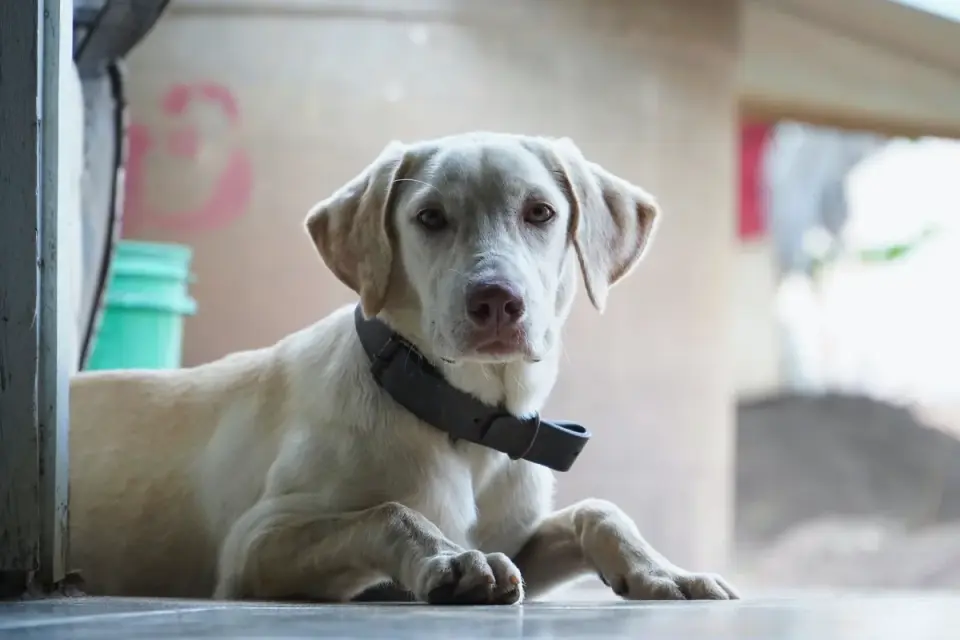
A 4-year-old, 32-pound border collie mix skipped meals through every summer storm, so her owner tried feeding roast chicken by hand during the noise to keep calories up. For three weeks in July the routine held: luring, tossing treats, sitting on the floor while thunder cracked. By week four the dog started drooling at the sight of the bowl when skies darkened and walked away faster, stiff through the shoulders and reluctant to lie down. The owner worried the chicken had become another storm cue.
The tradeoff was clear. Pressure to eat kept the nervous system alert instead of letting it settle. Stepping back helped more: quiet room, no forced feeding, short leash walk to loosen the spine once rain eased, then a small meal offered without hovering. Appetite returned in stages, not on command. Tools that may help support relaxation fit here only as background support, never as a fix for fear itself.
Traditional options are often discussed in this context. MDPI notes in a review that “For the remaining species, evidence is derived mainly from preclinical studies or traditional use.” In plain terms: “Chamomile and Valerian Root have been used in traditional herbal care to support relaxation.” That history explains interest, not proof of appetite rescue during storms.
What may help support steadier recovery
My position is simple: prioritize how the body moves and recovers, and let food follow. A dog who can settle his spine, breathe slowly, and rest will usually eat again without training tricks. The strongest counterargument is to lead with a calming chew and expect eating to resume. Chews have a place, but timing and dose evidence in dogs remains thin, so I keep them secondary to environment and routine.
What the human literature shows is modest and specific. Cureus reports that “A systematic review analyzed multiple RCTs and concluded that ashwagandha has a moderate positive impact on stress reduction and cognitive performance.” For L-theanine, Nature describes “except for one study on psychotic anxiety (SMD = 0.54; 400 mg/day for 8 weeks)” — a human dose finding, not a canine feeding guide.
Use that context carefully. For storm-anxious dogs, compare forms and testing in Calming Supplements for Thunderstorm-Anxious Dogs: What the Evidence Actually Shows and The Best Calming Supplements for Dogs, Scored on Doses and Testing. Look for transparent labels, third-party testing, and realistic directions rather than appetite promises.
Short recovery habits help more than any single ingredient.
Offer water, then pause. Let the dog choose a snug spot away from windows. Keep handling slow and even along the back rather than patting the head. Retry a half-portion once panting stops and the dog sighs or curls to rest.
The edge case owners miss
A 9-year-old, 71-pound senior shepherd started skipping food only during night storms, which looked like new noise fear. His owner tracked two months and noticed a different thread: by day 10 after a long storm week he was slow to rise, short-strided on tile, and hesitant on the three porch steps. Thunder made him pace when his hips and lower back already felt stiff, and the missed meals marked pain plus startle, not fear alone.
That changes the plan. Joint comfort, non-slip footing, a low orthopedic bed near the family, and a vet check for mobility come before any calming routine. Once movement felt easier, storm recovery shortened and dinner resumed within an hour. Appetite told the truth about the whole body.
Watch for recovery, not just refusal. A dog who eats, moves, and rests normally between storms likely needs management, not workups. Consistent loss, weight change, or stiffness calls for care.
Frequently asked questions
How long can a dog skip meals during storm season before I worry?
Many dogs eat within hours after the storm ends. If refusal lasts more than 24 hours, or comes with vomiting, diarrhea, lethargy, or weight loss, call your veterinarian.
Should I hand-feed during thunder to keep my dog eating?
Forced feeding often keeps arousal up. Offer water, allow rest in a quiet spot, then retry a small meal once breathing slows and posture softens.
Do calming supplements bring appetite back?
They may help support relaxation as part of a routine, never as a fix for fear or pain. Prioritize noise reduction, rest, mobility comfort, and consistent feeding times.