What Dog Food Is Like Merrick for Protein?
Learn what makes Merrick-style foods similar by protein, formula type, and AAFCO balance, plus how to switch safely.
If you like Merrick's meaty recipes, matching protein, style, and balance matters more than the logo.
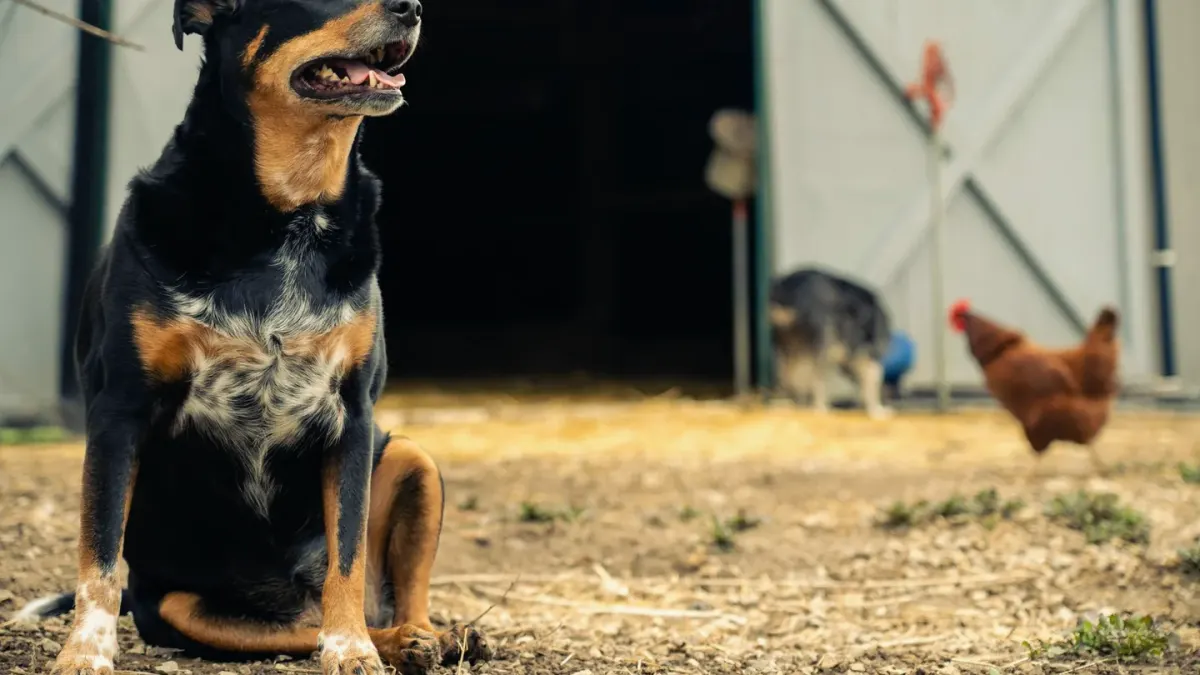
Bruce stood in the aisle with Wasabi, his 2-year-old intact male Puggle mix, comparing two bags that both promised high protein. Wasabi had finished a chicken-and-grain Merrick-style recipe with firm stools, and now Bruce faced the fork every owner recognizes: chase a similar ingredient list, or match the nutrition panel and feeding style that actually agreed with his dog over 10 days.
That fork is the whole decision. A food that is like Merrick is not defined by the word natural or a meat-first headline. It is defined by protein quality and amount, wet versus dry format, grain-inclusive versus grain-free positioning, life-stage adequacy, and calorie density close enough that portions still make sense.
Match the recipe style first, then the numbers
Merrick built its name on meat-forward dry kibble and chunky wet foods, often with higher protein than grocery kibble and both grain-inclusive and grain-free lines. If Wasabi did well on a chicken dry food with grains, the closest match is another meat-first, grain-inclusive dry food for the same life stage, not a grain-free wet food that happens to share a protein.
In practice, vets often see stool change before anything else. A shift from firm logs to soft-serve within 3 to 5 days usually points to a fiber, fat, or calorie jump rather than a protein allergy.
Food-first care translates simply here: keep the base steady, change one variable at a time, and let the bowl and the backyard tell you what agrees with the gut.

Read the panel like a label, not an ad
Front labels sell. The information panel decides.
Compare these three lines side by side: the ingredient list, the guaranteed analysis, and the nutritional adequacy statement. Look for named animal proteins near the top, a protein and fat percentage within a few points of the old food, and a statement that the food is formulated to meet AAFCO profiles for the same life stage. The Association of American Feed Control Officials explains how ingredient definitions and adequacy statements standardize that comparison.
This is where calm expectation-setting matters. No dry food may help support skin, coat, or digestion by itself if the fat level jumps from 14% to 20% overnight.
Keep the transition slow.
A 7- to 10-day blend gives the gut time to adjust, and stool watching beats guessing. If you want a concrete read on shape and consistency, compare notes with What Does Healthy Dog Poop Look Like? A Vet’s Read on Shape, Color, and When to Worry and What Does Normal Dog Poop Look Like? A Vet’s Structure-and-Function Read. Persistent loose stool, vomiting, flat refusal for more than 48 hours, or weight loss means stop and call your veterinarian.
What counts as close enough
- Protein source: same leading animal protein family, such as chicken to chicken or beef to beef, with named meals or fresh meat rather than vague meat by-products.
- Formula style: dry to dry, wet to wet, and grain-inclusive to grain-inclusive unless your veterinarian advised a change.
- Adequacy: same life-stage claim, such as growth, adult maintenance, or all life stages, with similar kcal per cup or per can.
- Fat and fiber: fat within about 2 to 3 points and fiber within about 1 to 2 points of the prior food to limit stool surprises.
The U.S. Food and Drug Administration outlines what must appear on pet food labels, including guaranteed analysis and feeding directions, which makes this side-by-side check possible without trusting marketing copy.
When a different path makes more sense
Kala’s story shows the other side. Kala, an 11-year-old spayed female Miniature Schnauzer mix from Akron, lived with owner Kevin and had started leaving breakfast unfinished and passing more gas on a rich, high-fat kibble. For a senior dog with a sensitive stomach, copying a high-protein, high-fat style is the wrong loyalty.
For seniors, highly active young dogs, or dogs with chronic loose stool, the best reason to diverge is physiology. A moderate-protein, moderate-fat adult or senior formula with steady fiber may help support comfortable digestion better than the richest meat-forward bag. That choice still respects food-first thinking; it just prioritizes tolerance over similarity. Owners weighing added gut support alongside a switch can get context from Digestive Enzymes for Dogs: When They Help, When They Don’t, and What to Look For before assuming a topper will fix a mismatch.
My position stays direct: match protein quality, formula style, and adequacy first, and only chase novelty if the dog’s age, weight, or stool pattern asks for it.
A brief recap: pick the same style and life stage, land protein and fat close, transition over a week, and judge by appetite, stool, coat, and weight after 2 to 3 weeks.
Frequently asked questions
What is the closest swap for a Merrick dry food?
Another meat-first dry food with the same leading protein, same grain-inclusive or grain-free style, same life-stage adequacy, and protein and fat within a few points.
Should I switch from grain-inclusive to grain-free to stay similar?
No. Stay with the same grain positioning unless your veterinarian recommends a change, since fiber and calorie shifts drive most stool issues.
How long should I transition foods?
Plan 7 to 10 days, moving from 25% new to 50%, 75%, then 100% while watching appetite, vomiting, and stool form.
Sources
- Understanding Pet Food — Association of American Feed Control Officials