5 Reasons Dogs Like Period Blood and What to Do
A vet explains why dogs are drawn to menstrual blood, when to step in, and how to protect the gut after scavenging.
Blood smells like information and food to a scavenger nose, so calm management works better than scolding.
On this page
Blood smells like information and food to a scavenger nose, so calm management works better than scolding. In a house with Courtney and Minnie, a 5-year-old spayed hound mix in Victorville, the pattern was familiar: bathroom door left open for two minutes, trash can tipped, wrapper licked clean.
Stop the access first, then read the pattern
Close the loop before you correct the dog. Shut the bathroom door, use a lidded can, empty small trash daily, and keep laundry and hampers off the floor during menstruation. Short imperative sequence: block, remove, redirect.
That decision fork matters because the attraction itself is normal. Dogs explore blood, urine, vaginal discharge, sweat, and stool with nose and mouth, and menstrual fluid combines iron-rich odor, protein, and familiar human scent. Work on scavenging in dogs, summarized for owners by VCA Hospitals, notes that mouthing stool and organic waste reflects normal exploratory and scavenger behavior that owners still need to manage for hygiene.
A dog that sniffs intently, nudges, licks underwear, follows you to the bathroom, or raids the trash is gathering scent, not misbehaving.
What makes menstrual blood interesting
Three layers stack here, and patience helps to hold them together. Olfaction comes first. A dog’s nose detects blood and body odor at concentrations humans miss, so a small amount on a pad, tampon, underwear, or toilet water reads as strong signal. Nutrition comes second. As whole-patient thinkers we remember that dogs evolved as opportunistic scavengers, and protein-rich material smells like calories. Social odor comes third. Hormonal shifts change human scent, and dogs notice change.
None of this means deficiency, dominance, or a taste for harm. It means access met instinct.
When licking becomes a gut problem
Most licking without swallowing objects passes with no more than bad breath. The risk rises when the dog eats tampons, pads, wipes, wrappers, or large amounts of blood and tissue.
Swallowed menstrual products can irritate the stomach, cause vomiting or diarrhea, or in larger dogs and larger amounts raise concern for blockage. String, wrappers, and applicators add mechanical risk. Digestive overviews for owners from the Merck Veterinary Manual describe how garbage and nonfood items can trigger vomiting, diarrhea, and intestinal upset after scavenging, which is why prevention matters more than any after-the-fact supplement.
Watch for repeated vomiting, retching without producing anything, belly pain, lethargy, loss of appetite, straining, or no stool for more than 24 hours after a known trash raid.
Call your veterinarian promptly for those signs, for any swallowed tampon or pad, or if a small dog ate a relatively large object.
What to do in the next 24 hours
Do not induce vomiting unless your veterinarian tells you to do so. Note what was taken and when, including brand and count if a product is missing. Offer water, feed a normal bland meal only if the dog is acting normal, and save packaging for the phone call. Track stools for two days using shape and color cues from What Does Healthy Dog Poop Look Like? A Vet’s Read on Shape, Color, and When to Worry and What Does Normal Dog Poop Look Like? A Vet’s Structure-and-Function Read.
Mild soft stool after licking alone often firms with routine, rest, and normal meals. Persistent watery diarrhea, blood in stool, or repeated vomiting needs direct care rather than home fiber trials.
Teach a cleaner alternative
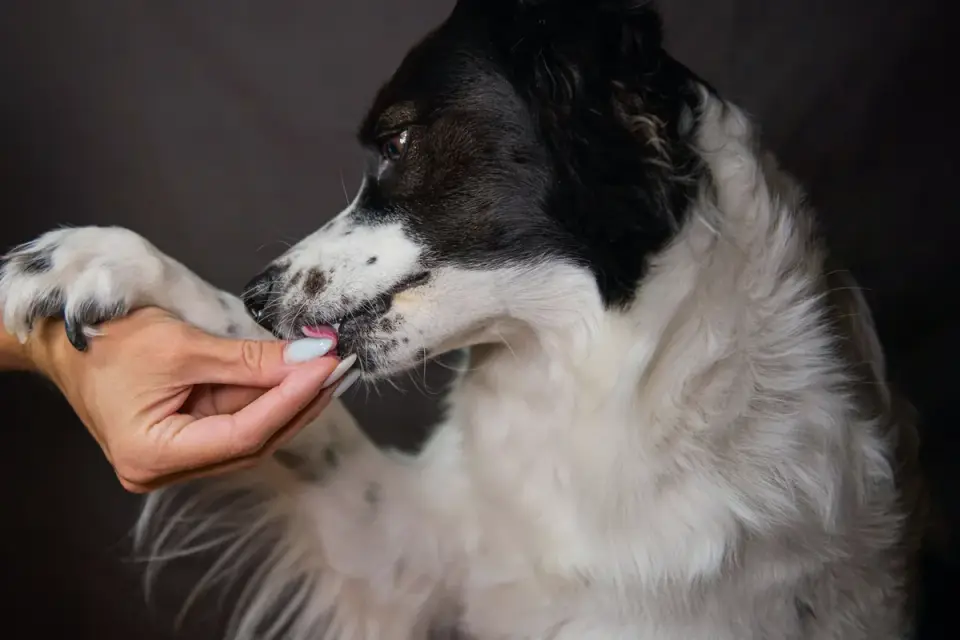
Training works when it replaces the payoff. Teach a leave-it and a trade for a treat, reward the dog for settling outside the bathroom, and give a chew during the times the trash used to be interesting. Keep sessions short and consistent across household members.
For repeat trash raiders, add structure. Secure cans with locks, use a menstrual cup emptied and rinsed promptly where that fits your routine, bag waste before it goes in the open can, and walk the dog before long bathroom breaks so the need to scavenge is lower. If flatulence or loose stool follows scavenging episodes, the explainer in Dog Gas Remedy: What Actually Reduces Flatulence and Its Smell and the timing guide in Digestive Enzymes for Dogs: When They Help, When They Don’t, and What to Look For can help you sort food-related noise from a true blockage warning.
Where I land, and when I would not
For most healthy adult dogs, my recommendation stays layered and simple: manage the environment first, train a redirect second, and support the gut with routine, hydration, and normal food third, while reserving clinic care for swallowed objects or ongoing vomiting and diarrhea. That sequence may help support normal digestion and calmer behavior without turning a normal nose into a diagnosis.
I would not use that routine alone when the dog guards the trash, breaks into locked cans, eats nonfood items weekly, or has recurrent bloody stool. Then the wrong call is more management alone. Ask your veterinarian about anxiety, pica, diet adequacy, and intestinal disease, and bring a log with dates, items taken, vomits, and stool changes.
Practical next step: pick one change tonight, a lidded can or a closed door, and keep it for 14 days. Normal interest fades when access ends.
Frequently asked questions
Is it normal for dogs to like period blood?
Yes. Blood and vaginal fluids carry strong odor and protein scent, and dogs investigate novel human odors with nose and mouth. Manage access and redirect rather than punish.
Can period blood make a dog sick?
Small licks rarely cause more than mild upset, but tampons, pads, wrappers, and large amounts of blood can cause vomiting, diarrhea, or blockage. Call your vet if objects were swallowed or vomiting persists.
Sources
- Disorders of the Stomach and Intestines in Dogs — Merck Veterinary Manual